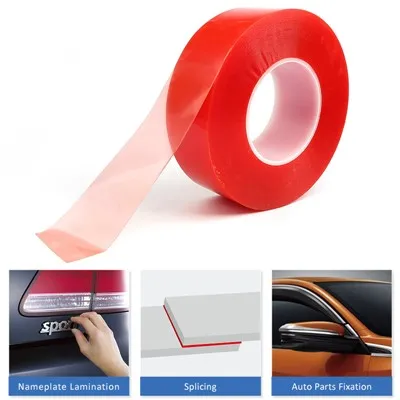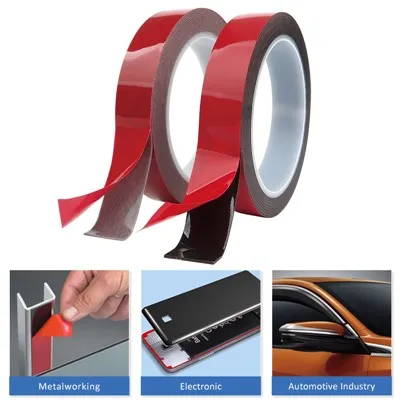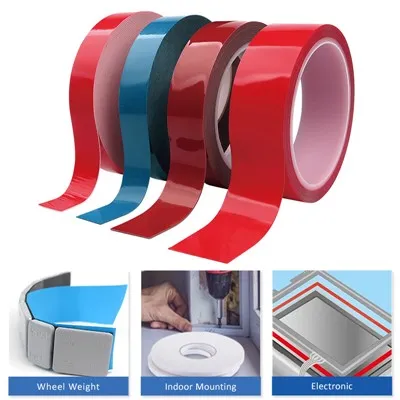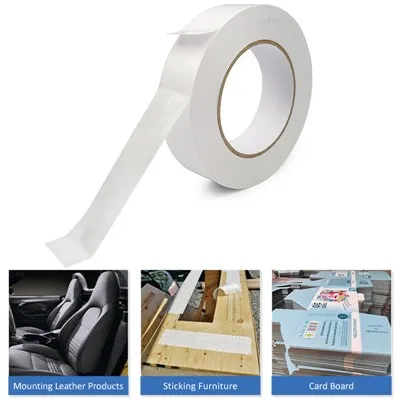
Acrylic foam tape is becoming increasingly popular in many industries due to its unique properties and benefits. This tape is a type of pressure-sensitive adhesive tape that has a foam carrier coated with acrylic adhesive on both sides. It offers excellent bonding strength, durability, weather resistance, and vibration-damping capabilities.
One of the key advantages of acrylic foam tape is its high bonding strength. This tape can bond to a wide range of substrates, including metals, plastics, glass, and painted surfaces. It can also bond dissimilar materials, such as aluminum to stainless steel or plastic to metal. This characteristic makes it ideal for applications where a strong and long-lasting bond is required.
Another advantage of acrylic foam tape is its durability. This tape can withstand extreme temperatures, from as low as -40°C to as high as 150°C. It is also resistant to UV radiation, chemicals, moisture, and aging. These properties make it suitable for outdoor and harsh environments.
Acrylic foam tape is also known for its excellent vibration-damping capabilities. Its foam carrier absorbs shocks and vibrations, reducing noise and preventing damage to the bonded parts. This feature is essential in automotive, transportation, and industrial applications.
Lastly, acrylic foam tape is easy to use. It can be die-cut into various shapes and sizes, making it adaptable to different surfaces and geometries. It can also be applied manually or with automated equipment, making the production process more efficient.
Acrylic foam tape has numerous applications in various industries. Here are some examples:
1. Automotive: Acrylic foam tape is widely used in the automotive industry for exterior and interior bonding applications. It can bond trim, emblems, badges, spoilers, mirrors, and other parts to the vehicle body. It can also be used for noise and vibration damping in engine compartments and chassis.
2. Electronics: Acrylic foam tape is used in electronic devices for bonding and sealing. It can bond LCD screens, touch panels, batteries, and other components in smartphones, tablets, laptops, and TVs. It can also seal and bond LED lighting modules in automotive, signage, and architectural applications.
3. Construction: Acrylic foam tape is used in construction for structural bonding and glazing applications. It can bond curtain walls, facades, panels, and windows to the building structure. It can also seal and bond roofing and insulation materials.
4. Aerospace: Acrylic foam tape is used in aerospace for bonding and sealing applications. It can bond and seal panels, insulation, and other components in aircraft and spacecraft. It can also be used for noise and vibration damping in cargo and passenger compartments.
Acrylic foam tape is a growing industry, with increasing demand and innovation. Here are some trends to watch:
1. Environmental Sustainability: Many companies are developing acrylic foam tape that is environmentally friendly and meets regulatory standards. These tapes use recycled materials, renewable sources, and low VOC (volatile organic compounds) adhesives. They also have a reduced carbon footprint and are biodegradable.
2. Customization: Many customers require tailored solutions for their bonding challenges. Acrylic foam tape manufacturers are offering customized tapes that fit specific applications, such as high-temperature resistance, high adhesion, or unique geometries.
3. New Applications: Acrylic foam tape is expanding its reach into new industries and applications. For example, it is being used in medical devices, renewable energy, and consumer goods. This trend is driven by the tape's versatility, durability, and ease of use.
Acrylic foam tape is a valuable addition to any bonding application. Its advantages, applications, and trends make it a reliable and innovative choice for many industries. Its high bonding strength, durability, vibration-damping properties, and ease of use make it an excellent alternative to traditional bonding methods. As the industry continues to grow, acrylic foam tape will continue to evolve and innovate, meeting the needs of customers who demand efficiency, reliability, and sustainability.