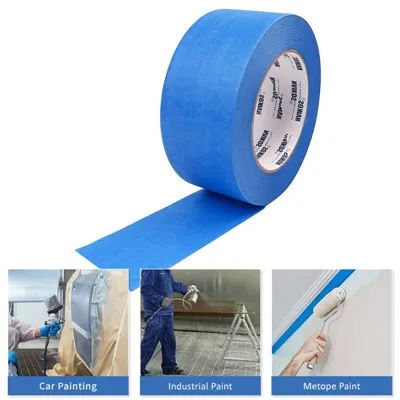
Blue painter tape is a well-known industry product that is commonly used for masking natural wood, painted walls, and other delicate surfaces during painting or renovation projects. The tape is widely used in the construction, automotive, and DIY industries for its adhesive quality, easy-to-tear features, and water-resistant nature.
Blue painters tape was first introduced in the United States in the mid-20th century, a known tape manufacturer. The company designed the tape to meet the needs of professional painters and DIY enthusiasts seeking precision in their masking projects. The tape was initially targeted towards the aerospace industry, where precision is critical in painting aircraft components.
Blue painters tape is made of crepe paper treated with acrylic adhesive, which is resistant to sunlight and water. The tape adhesive creates a low-tack feature which ensures that the tape can be removed without damaging the surfaces on which it was applied. The crepe paper is designed to tear cleanly and is resistant to abrasion and tearing. This makes it easier for painters and DIY enthusiasts to mask their projects, saving their time and costs.
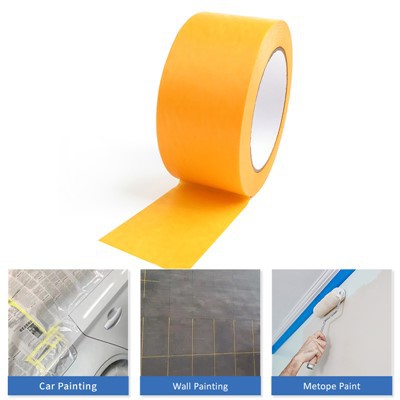
Blue painters' tape is commonly used to mask delicate surfaces such as painted walls, natural wood, glass, and metal. The tape is also used in areas where precise lines are required, such as in the automotive industry when painting stripes or lettering on vehicles. Additionally, blue painters' tape is used to mask hardware like windows, electrical outlets, and light switches during painting or renovation projects.
Blue painters' tape is a versatile tool widely used in various industries for its low-tack application, adhesive quality, and crepe paper tearability. It is essential to use best practices when applying the tape to avoid leaving adhesive residue, tape tearing, or affecting the project's quality. By following the guidelines provided, you can make the most of blue painters' tape's benefits and deliver your project with precision and professionalism.