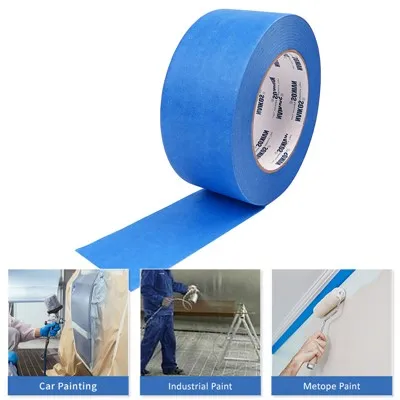
Amidst growing global attention to sustainable development and environmental protection, the packaging industry is undergoing a profound green transformation. The environmentally friendly qualities of adhesive tape, a necessary consumable in the packaging process, are attracting previously unheard-of attention. As a result, degradable packaging tape has surfaced and is quickly emerging as a crucial green packaging choice in industries like daily chemicals, food, logistics, and e-commerce.
Biodegradable packaging tape is designed to decompose into natural substances such as water, carbon dioxide (or methane), and biomass through microbial action at the end of its life under specific environmental conditions (such as industrial composting, home composting, soil, or the ocean). Addressing the "white pollution" issue brought on by conventional plastic tape is its main objective.
Naikos Biodegradable Cellophane Adhesive Tape is with the ongoing environment-protecting philosophy of 'Biodegradable, Recyclable, Gas-to-Water, and Environment-Centered and the safety belief of 'Low-noise and Static-free, which is proposed by the government. Reproducible cellulose film, also known as 'cellophane, is used as a carrier and can be coated with eco-friendly water-based biodegradable adhesive.
Environmental Benefits of Degradable Tape
Reducing Plastic Pollution: By preventing traditional plastic tape from persisting in the environment for centuries without decomposing, it effectively reduces harm to soil, water bodies (especially the ocean), and wildlife.
Promoting a Circular Economy: When used in conjunction with compostable packaging bags, it enables the comprehensive composting of packaging waste, converting it into valuable compost and returning it to the natural cycle. Reducing Carbon Footprint: Bio-based materials (such as PLA) generally reduce carbon emissions during production compared to petroleum-based plastics.
Main Applications of Degradable Packaging Tapes
E-commerce Packaging: Carton sealing is the primary application, particularly for brands and platforms committed to environmentally friendly delivery.
Food Packaging: Used for sealing lightweight food bags and cartons, ensuring the tape meets food contact safety requirements. Postal and Logistics: Used for sealing cartons and document bags. Cosmetics and Personal Care: Used by high-end, eco-friendly brands for product packaging and securing promotional cards. Publications and Printed Materials: Used for supplemental sealing or securing magazines and brochures. Office: Eco-friendly office tape. Events and Exhibitions: Temporary labeling and labeling for easy and environmentally friendly disposal.
Industry Challenges and Future Outlook
Challenges:
Cost: Still a significant barrier.
Performance Balancing: Maintaining excellent degradation resistance while fully matching the physical properties of traditional plastic tapes remains challenging. Recycling and Processing Infrastructure: Industrial composting facilities are not yet fully accessible globally, and consumer awareness of proper waste sorting and disposal needs to be improved.
"Pseudo-degradable" and perplexing standards: The market is rife with perplexing products (like "disintegratable" plastics that only partially decompose or need particular conditions), necessitating discerning buyers and consumers.
Outlook:
Material Innovation: Research and develop new materials with improved performance, lower costs, and broader degradation pathways (such as marine degradation).
Policy Drivers: Stricter regulations will continue to drive market growth.
Consumer Education: Raising knowledge of the proper use and disposal of degradable items is vital.
Improving Infrastructure: The development and widespread use of composting and organic waste treatment facilities are key to closing the industry loop.
Scale Effects and Cost Reductions: Costs are expected to continue to decline as demand grows and production scales expand.