As a new adhesive substance, nano-tape is gradually altering our perspective of conventional tape in today's quickly evolving adhesive technology. It finds extensive use in electronics, automobiles, and even daily life, achieving high-strength, residue-free, and reusable adhesion through the application of microscopic physical principles.
Compared to conventional tape, nano-tape operates on a completely different premise. Billions of tiny nanofibers or structures cover its surface. Van der Waals forces cause these structures to produce adsorption when they come into contact with a smooth surface. The tape may stick together without the need for chemical adhesives and continue to function steadily even after several uses, thanks to its intermolecular electrostatic attraction.
The following are the main performance benefits of nano-tape:
Residue-free removal: Doesn't harm the attached surface (such as walls or glass).
High temperature, UV, and moisture resistance are examples of strong environmental resilience.
hock absorption and noise reduction: Precision instruments are frequently fixed using the microstructure's ability to absorb vibrations.
Application Scenarios: From Everyday Life to High-Tech Sectors
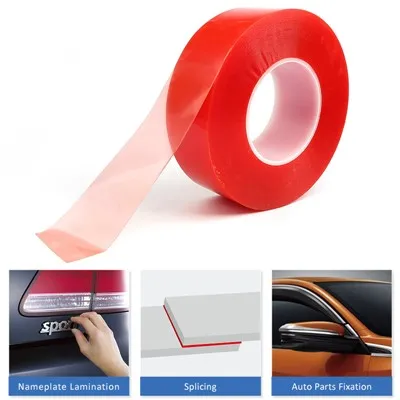
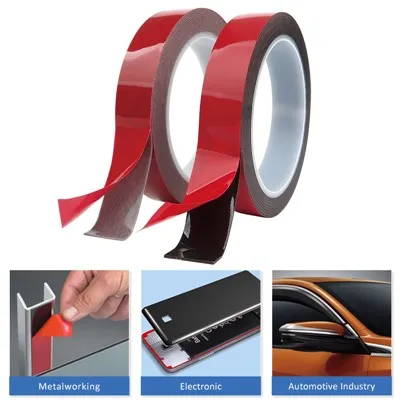
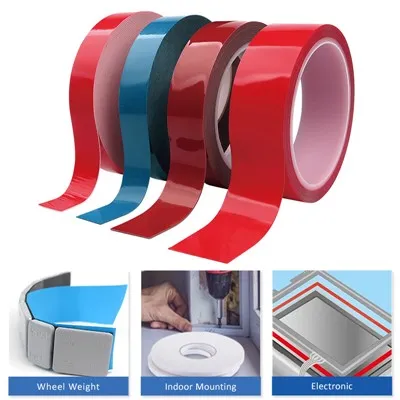
Electronics and Semiconductor Industry: Batteries and screen modules are fixed with nanotapes during the construction of smartphones and tablets. Their incredibly thin features fit perfectly with the trend of lighter gadgets.
Automotive Manufacturing and Aerospace:
Used for splicing lightweight composite materials in aircraft, repairing sensors, and gluing interior components (such as dashboards and car badges). Their tolerance to fatigue and high temperatures satisfies the demands of challenging work environments.
Medical and Biotechnology:
Biocompatible nanotapes can be used for fixing skin electrodes, bonding wearable medical devices, and even as temporary support materials in tissue engineering.
Home and Consumer Goods:
From kitchen hooks to bathroom shelves, their reusable nature greatly improves ease of use. Furthermore, they are increasingly popular in commercial scenarios such as advertising board installation and temporary signage fixing.
Market Trends and Prospects for Future Development
Green and Eco-Friendly Demand Drives Innovation:
Solvent-free, biodegradable nano-bio-based tapes have emerged as a research hotspot due to worldwide plastic bans and stricter environmental restrictions. For instance, cellulose or chitosan nanotapes have made significant progress in the lab.
Functional Integration and Intelligentization
Future nanotapes might incorporate sensing capabilities (such as temperature and pressure monitoring) for application in smart clothes or Internet of Things devices. Additionally, self-healing nanostructures that may immediately regain their adhesiveness upon small injury are being developed.
Cost Reduction and Accelerated Popularization
The maturity of nanoimprinting technology has reduced the cost of large-scale production, and the price in the civilian market is expected to drop by more than 30% in the next five years, further replacing traditional tapes.
Nanotapes are not only a technological advancement but also a redefinition of the concept of "adhesion." Through microstructural design, they replace chemical adhesives, providing superior performance while achieving environmental friendliness, convenience, and adaptability to multiple scenarios.