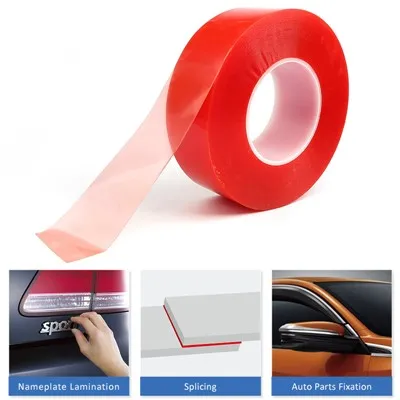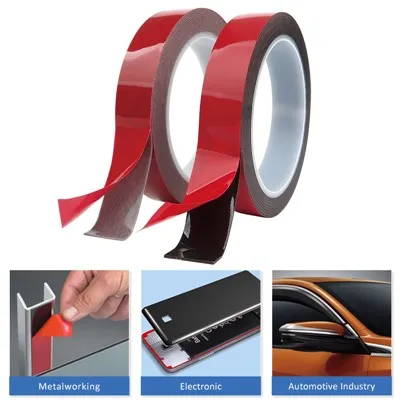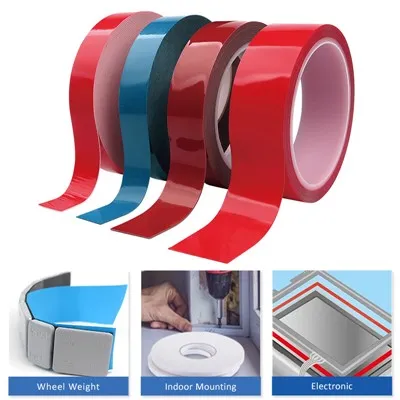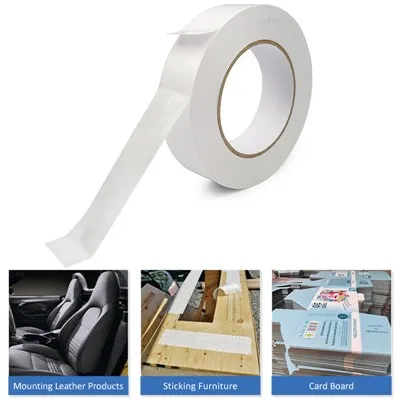
In electronic equipment, new energy, automobile manufacturing, etc., efficient heat dissipation is the key to ensuring product performance and life. As an innovative thermal management material, thermal conductive tape has attracted much attention in recent years.
Thermal conductive tape is a composite material with both bonding and thermal conductivity properties, usually composed of a substrate (such as polyimide or acrylic) and a high thermal conductivity filler (such as ceramic particles or graphene). Its core functions include:
Heat conduction: By filling the gap between electronic components and radiators, heat is quickly removed, and the temperature of the device is reduced.
Electrical insulation: Some models have insulation properties to avoid short circuit risks.
Shock-absorbing bonding: Replace traditional screws or buckles, simplify the assembly process, and improve the shock resistance of the device.
Main application areas of thermal conductive tape
Consumer electronics
Smartphones and tablets: Used for bonding chips and heat dissipation modules to extend high-load operating time.
Laptops: Solve the heat dissipation problems of core components such as CPUs and GPUs.
LED lighting: Bonding LED lamp beads and heat dissipation substrates to improve light efficiency stability, and avoid light decay.
New energy vehicles: Thermal management of power battery packs: Balance the temperature of the battery cells and extend battery life.
Industrial equipment: heat dissipation bonding of inverters and power modules to ensure continuous and efficient operation of the equipment.
How to choose a suitable thermal conductive tape?
Thermal conductivity (W/m·K): Low-power equipment can choose 1.0~2.0 W/m·K, and high-heat scenarios require 3.0 W/m·K or more.
Bonding strength: Select according to load-bearing requirements (such as acrylic adhesives have strong adhesion, and silicone adhesives are easier to remove).
Temperature range: Conventional models can withstand temperatures of 80℃~120℃, and special tapes can reach more than 200℃.
Thickness and flexibility: Ultra-thin (0.1mm) is suitable for precision electronics, and high-elastic tapes are required for curved parts.
Certification standards: Prioritize products that have passed UL and RoHS certification to ensure safety and compliance.
Innovative direction of thermal conductive tape
High thermal conductivity + ultra-thinness: Nanofiller technology drives the thickness of the tape to below 0.05mm, while the thermal conductivity exceeds 5.0 W/m·K.
Intelligent application: A Tape with temperature sensing coating can monitor the thermal status of equipment in real time.
Environmental upgrade: Water-based adhesives and degradable substrates reduce carbon footprint and comply with EU REACH regulations.
With the rapid development of 5G, artificial intelligence, and electric vehicles, thermal conductive tapes are becoming the core solution in the field of thermal management due to their high efficiency and flexibility. Enterprises need to accurately select products according to their own needs, while paying attention to material technology innovation to meet more stringent heat dissipation challenges in the future.