Thermal management is a critical aspect of electronic device design and operation. As electronic components continue to become smaller, faster, and more powerful, the challenge of dissipating heat from these components increases. This is especially true for devices that generate significant amounts of heat, such as CPUs, GPUs, and power converters.
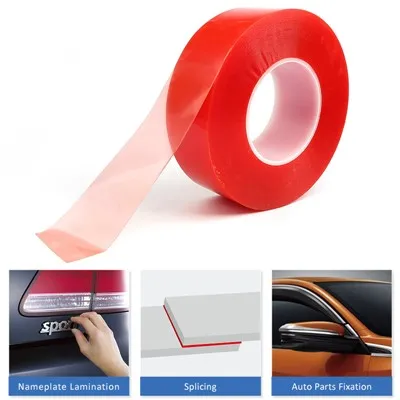
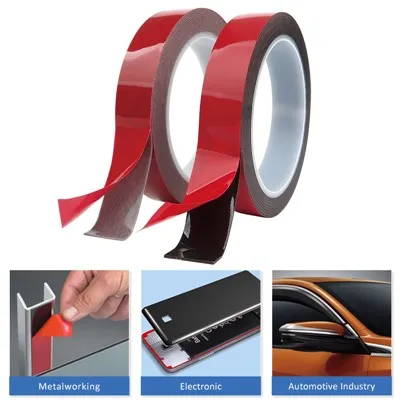
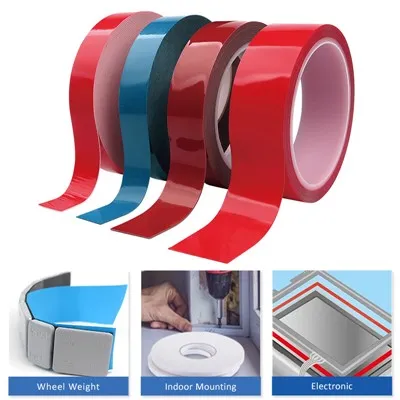
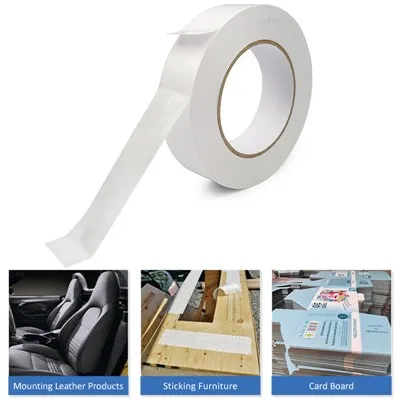
Thermally conductive adhesive tapes are a popular solution for managing heat in electronic devices. These tapes provide a reliable and easy-to-use method for bonding heat-generating components to a heat sink, spreading heat evenly across the surface, and dissipating it efficiently.
Thermally conductive adhesive tapes consist of a heat-conductive substrate and a layer of pressure-sensitive adhesive on one or both sides. The substrate is typically made of a high-performance material such as ceramic, aluminum oxide, or graphite, which has high thermal conductivity and low thermal resistance. The adhesive layer is designed to provide strong, long-lasting bonding between the substrate and the heat sink or component.
One of the advantages of thermally conductive adhesive tapes is their versatility. They can be used in a wide range of electronics applications, including high-power LED lighting, power supplies, computer components, and automotive electronics. They are also suitable for use in harsh environments, such as those with high temperatures, vibration, or moisture.
Another advantage of thermally conductive adhesive tapes is their ease of use. They can be easily cut to size and applied to the desired surface. Unlike liquid thermal interface materials (TIMs), they do not require mixing, curing, or special equipment. This makes them an attractive option for low- to medium-volume production.
Thermally conductive adhesive tapes also offer a wide range of thermal conductivities, enabling designers to choose the appropriate tape for their specific application. Typical thermal conductivities range from 0.5 W/mK to 5.0 W/mK, with some specialty tapes offering even higher thermal performance.
When selecting a thermally conductive adhesive tape, it is important to consider factors such as substrate material, adhesive strength, and thermal performance. Some tapes may be more suitable for certain applications than others. For example, a high-performance graphite-based tape may be ideal for use in the CPU of a high-end gaming computer, while a lower-cost aluminum oxide-based tape may be suitable for a power converter.
Thermally conductive adhesive tapes offer a reliable, versatile, and easy-to-use solution for managing heat in electronic devices. They provide strong bonding, and efficient thermal transfer, and can be customized to match the specific needs of each application. As electronic devices continue to become more powerful and complex, thermally conductive adhesive tapes will play an increasingly important role in ensuring their optimal performance and longevity.