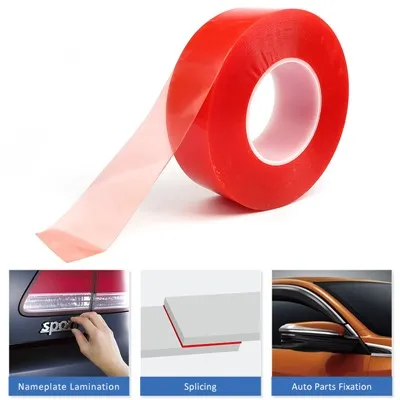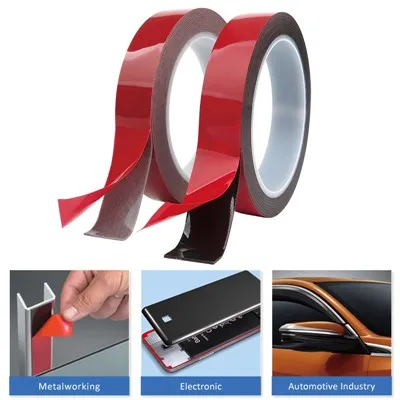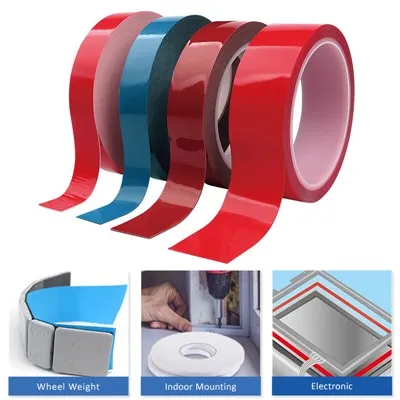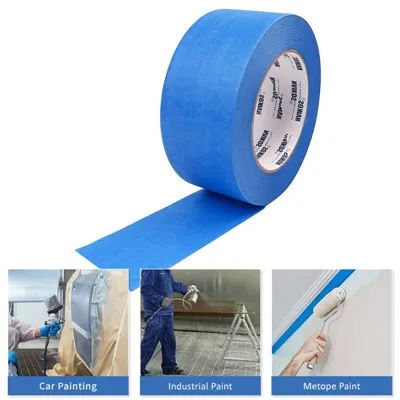
Thermally conductive adhesive tapes have emerged as indispensable components in various industries, offering efficient heat dissipation solutions coupled with adhesive properties for easy application.
Thermally conductive adhesive tapes are typically composed of a base material, such as acrylic or silicone, infused with thermally conductive fillers like ceramic or metal particles. These fillers facilitate heat transfer across the tape, while the adhesive ensures secure bonding to substrates. The choice of materials depends on factors like thermal conductivity requirements, flexibility, and compatibility with different surfaces.
The versatility of thermally conductive adhesive tapes makes them suitable for diverse applications across industries. In electronics, they are utilized for bonding heat sinks to semiconductor components, LED lighting modules, and other heat-generating devices to dissipate thermal energy efficiently. Automotive manufacturers employ these tapes for thermal management in battery packs, power electronics, and LED headlights. Additionally, they find applications in aerospace, telecommunications, renewable energy, and medical devices, where heat dissipation is critical for optimal performance and reliability.
The manufacturing of thermally conductive adhesive tapes involves several intricate processes to achieve the desired properties. It begins with the formulation of the adhesive mixture, where precise proportions of base materials and fillers are blended to attain the required thermal conductivity and adhesive strength. The mixture is then coated onto a release liner using specialized equipment, followed by curing or drying processes to solidify the adhesive. After curing, the tape undergoes slitting and die-cutting to produce rolls or custom shapes according to specific application requirements.
Ensuring the quality and performance of thermally conductive adhesive tapes involves rigorous testing procedures. Key parameters such as thermal conductivity, adhesive strength, electrical insulation, and thermal stability are evaluated using standardized testing methods. Additionally, environmental tests assess the tape's resistance to temperature extremes, humidity, and chemical exposure to guarantee reliability under varied operating conditions. Quality control measures throughout the manufacturing process ensure consistency and compliance with industry standards.
As industries continue to demand higher thermal management efficiency and miniaturization, future trends in thermally conductive adhesive tapes focus on enhancing thermal conductivity, improving adhesion to various substrates, and developing thinner and more flexible tape constructions. Nanotechnology advancements hold promise for achieving higher thermal conductivities with reduced filler content, enabling thinner tapes with enhanced flexibility and conformability. Moreover, innovations in adhesive formulations aim to enhance bonding strength while maintaining compatibility with emerging substrate materials like flexible circuits and advanced composites.
Thermally conductive adhesive tapes play a crucial role in addressing thermal management challenges across diverse industries, offering efficient heat dissipation solutions with ease of application. Understanding the composition, applications, manufacturing processes, and future trends in this industry provides valuable insights for engineers, designers, and manufacturers seeking optimal thermal management solutions for their products and applications. With continued innovation and advancements, thermally conductive adhesive tapes are poised to remain at the forefront of thermal management technologies, driving performance and reliability in various electronic and mechanical systems.