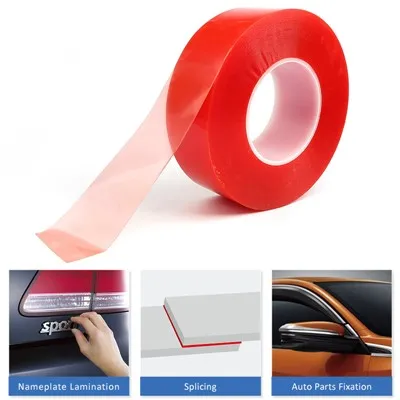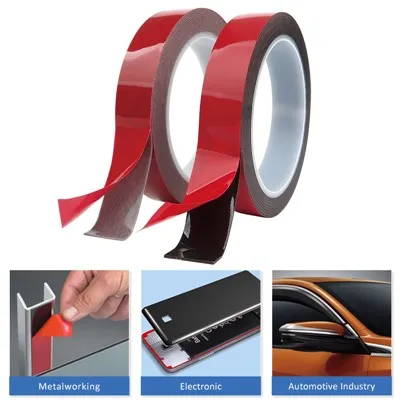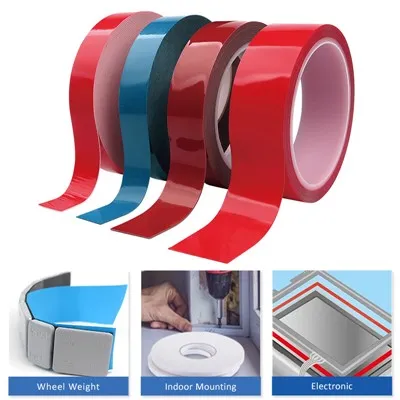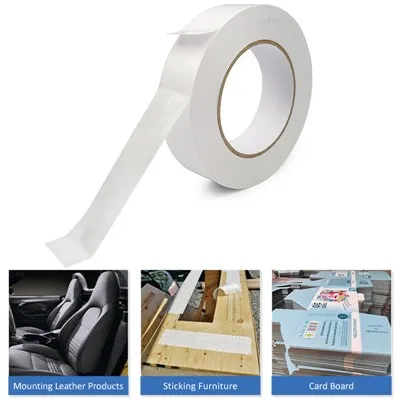
Thermally conductive tape has emerged as a critical component in modern electronics, enabling efficient heat management in compact, high-performance devices. As industries push for smaller, faster, and more powerful technologies, this adhesive material bridges the gap between thermal performance and design flexibility.
Thermally conductive tape is a specialized adhesive material designed to transfer heat away from electronic components while securely bonding surfaces. It combines thermally conductive fillers (e.g., ceramics, graphite, or metal oxides) with a pressure-sensitive adhesive (PSA) base, such as acrylic or silicone, to ensure both thermal conductivity and strong adhesion.
Top Benefits of Thermally Conductive Tape
Efficient Heat Dissipation: Directly transfers heat from components like CPUs, LEDs, or power modules to heatsinks or chassis. Prevents overheating, extending device lifespan and reliability.
Space-Saving Design: Eliminates the need for bulky mechanical fasteners (e.g., screws or clamps).Ideal for lightweight, compact devices like smartphones and wearables.
Electrical Isolation: Insulating variants protect sensitive circuits from electrical interference.
Vibration Resistance: Maintains adhesion under mechanical stress, unlike traditional thermal pads.
Cost-Effective Assembly: Simplifies production with easy application and no curing time.
Thermally conductive tape is widely used in:
Consumer Electronics: Smartphones, laptops, and tablets for CPU/GPU cooling.
Automotive: Electric vehicle (EV) battery packs, LED headlights, and onboard electronics.
Industrial Equipment: Power inverters, motor drives, and HVAC systems.
Renewable Energy: Solar panel junction boxes and wind turbine controllers.
Installation Best Practices
Surface Preparation: Clean and dry surfaces to maximize adhesion.
Pressure Application: Use a roller or firm press to ensure full contact.
Temperature Considerations: Apply at room temperature for optimal performance.
Storage: Keep tape in a cool, dry place to preserve adhesive properties.
Innovations Shaping the Industry
High-Performance Fillers: Boron nitride and graphene-enhanced tapes for ultra-high thermal conductivity (up to 10 W/m·K).
Dual-Sided Adhesives: Tapes with varying adhesion strengths on each side for component reuse.
Flexible & Stretchable Tapes: For curved or moving surfaces in foldable electronics or robotics.
Sustainable Materials: Bio-based adhesives and recyclable fillers to meet eco-friendly mandates.
Smart Integration: Tapes embedded with sensors to monitor temperature in real time.
Thermally conductive tape is a cornerstone of modern thermal management, addressing the dual challenges of heat dissipation and miniaturization across industries. With advancements in material science and sustainability, it continues to enable breakthroughs in electronics, automotive, and renewable energy systems. As demand for efficient cooling grows, thermally conductive tape will remain indispensable in powering the next generation of technology.