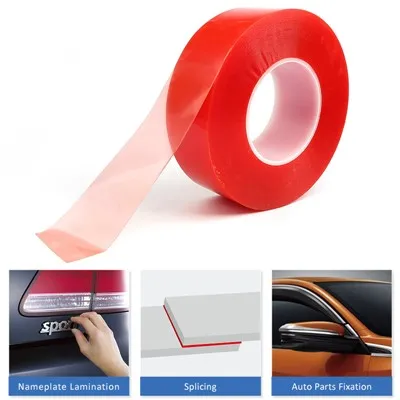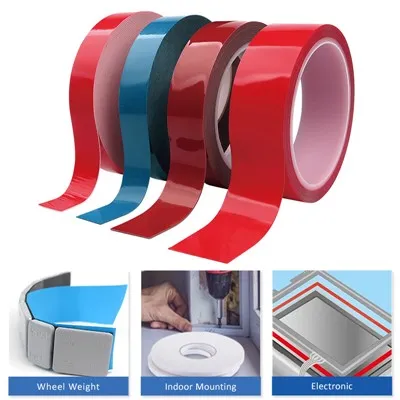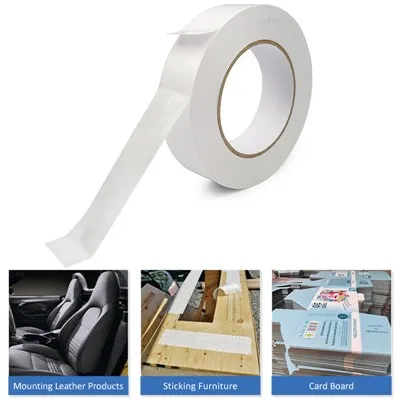
Thermally conductive tape is an adhesive tape designed to transfer heat between two surfaces efficiently. It is commonly used in various industries where heat management is crucial, such as in electronics, automotive, aerospace, and more.
Thermally conductive tape is widely used in electronic devices to help dissipate heat generated by components such as CPUs, GPUs, power amplifiers, and LED lights. By providing a thermal interface between the heat-generating component and a heat sink or other cooling solution, thermally conductive tape helps to improve the overall thermal performance of the device.
In the automotive industry, thermally conductive tape is used to bond heat-generating components to heat sinks in automotive electronic systems. It is also used in battery packs to provide efficient heat dissipation, which is essential for maintaining the performance and longevity of the batteries.
In the aerospace industry, thermally conductive tape is used in aircraft avionics systems, radar systems, and other electronics to ensure the reliable operation of critical components.
Thermally conductive tape offers several benefits compared to traditional methods of heat transfer, such as thermal compounds or adhesives. Some of the key benefits of thermally conductive tape include:
1. Easy application: Thermally conductive tape is typically supplied in rolls or sheets, making it easy to apply to various surfaces without the need for special equipment or training.
2. Improved thermal conductivity: Thermally conductive tape is engineered to have high thermal conductivity, allowing it to efficiently transfer heat between surfaces.
3. Reliable performance: Thermally conductive tape is designed to maintain its thermal properties even under extreme temperatures and harsh environmental conditions, ensuring long-term performance and reliability.
When selecting and using thermally conductive tape, there are several key considerations to keep in mind:
1. Thermal conductivity: Choose a thermally conductive tape with the appropriate thermal conductivity rating for your specific application to ensure efficient heat transfer.
2. Adhesive strength: Consider the adhesive strength of the thermally conductive tape to ensure it will securely bond to the surfaces being joined.
3. Compatibility: Ensure that the thermally conductive tape is compatible with the materials it will be bonded to, as well as any environmental factors that may impact its performance.
Thermally conductive tape plays a critical role in heat management in various industries, offering a reliable and efficient solution for transferring heat between surfaces. By understanding its applications, benefits, and key considerations, industry professionals can make informed decisions when selecting and using thermally conductive tape in their projects.