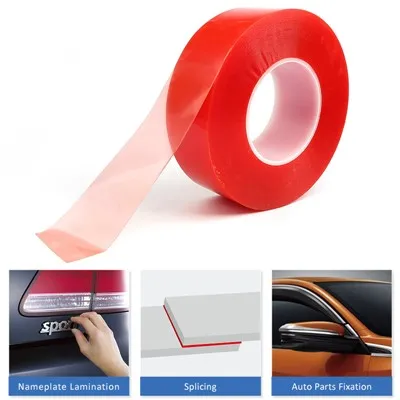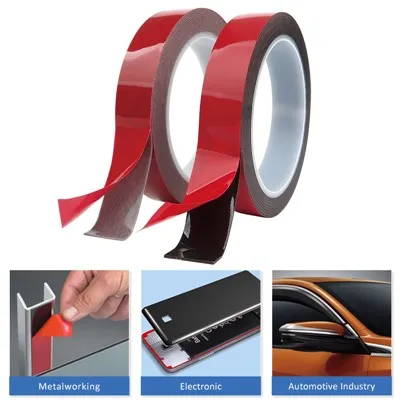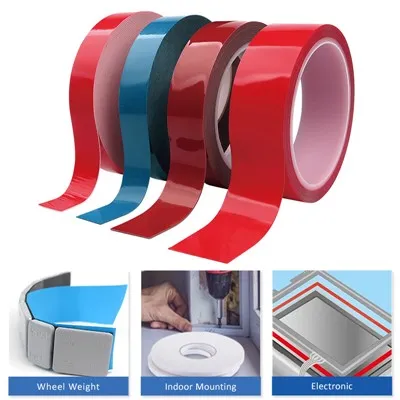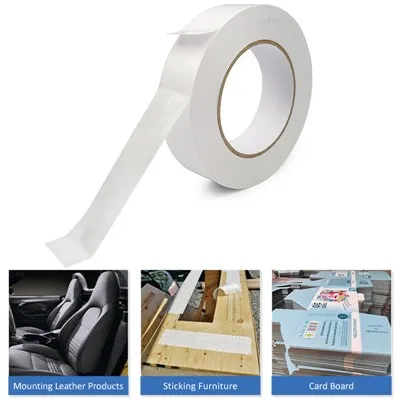
In short, high-quality cloth-backed or mesh-type carpet tape is suitable for most hard surfaces, but its performance depends on the porosity and coating of the floor.
1. Tile & Marble
Tile surfaces are perfect for carpet tape since they are smooth and non-porous.
To provide adequate contact area and cover the gaps in vintage tiles with deep textures, it is advised to use a thicker mesh-type tape.
2. Wood
The surface treatment poses a greater risk than the wood itself.
You need to search for goods that have the labels "Safe for Hardwood" or "No Residue." Steer clear of products that contain strong industrial adhesives based on solvents since they may react chemically with the floor finish and cause peeling.
3. Vinyl and Laminate
Typically, synthetic materials are used to create this kind of flooring. Make sure the tape is free of plasticizers because prolonged contact could stain the floor.
4. Concrete/Garage Floors
Concrete is dusty and rough, and ordinary office double-sided tape is not sufficient. You need to use industrial-grade (Heavy Duty) carpet tape, which is thick enough to grip the micropores of the rough surface.
Which types of flooring should you absolutely avoid using ordinary carpet tape on?
Based on our laboratory tests and user feedback, the following situations require extra caution:
Unsealed stone: Natural stone has micropores, and the oils in the adhesive may seep into the stone, forming permanent stains.
Extremely cheap veneer flooring: The surface layer of this type of flooring is very thin, and removing strong adhesive tape may tear off the "wood grain sticker" directly.
Damp basement floors: Any tape's adhesive strength will be compromised within 48 hours if the floor is continuously damp.
What happens if residue is still present?
When removing tape from any surface, as a professional supplier, we advise adhering to these guidelines:
Gentle heating: Before gradually removing the glue, soften it with a hairdryer set to low heat.
Cooking Oil Method: Apply a tiny amount of mineral or olive oil to sticky adhesive residue, leave it for five minutes, and then use a towel to remove it.
Professional Adhesive Remover: Use chemical adhesive removers sparingly on wood floors and solely on tiles or concrete.
When choosing carpet tape, "scenario matching" is more important than "adhesive strength." For indoor home use, we always recommend choosing mesh fabric-backed tape with a "Removable" label, which provides a strong grip while protecting your expensive flooring to the greatest extent.