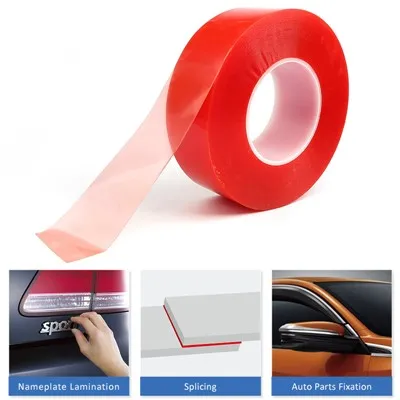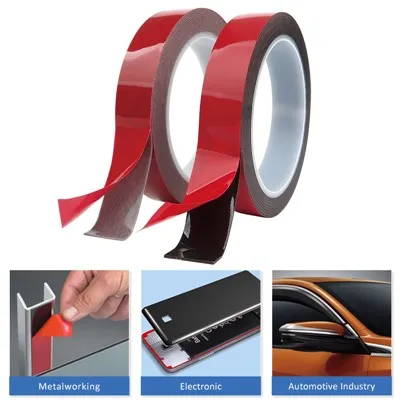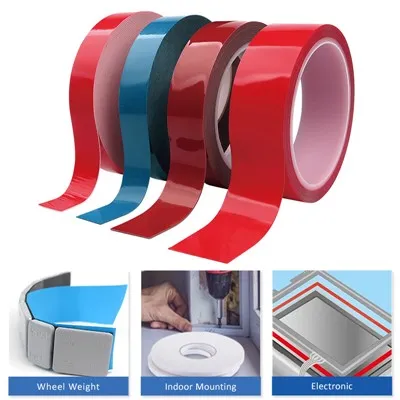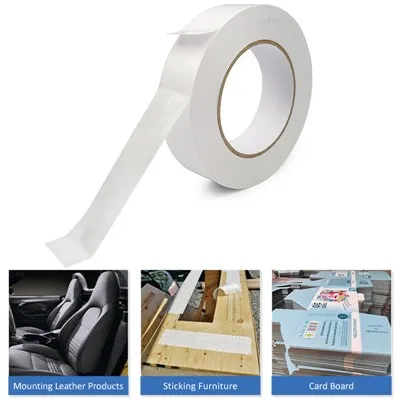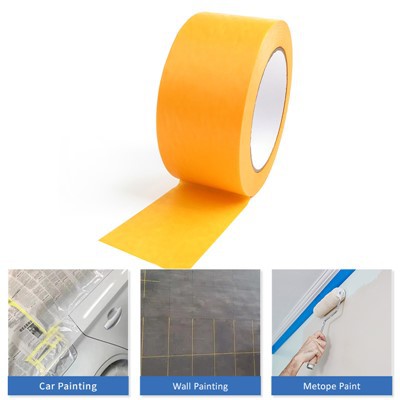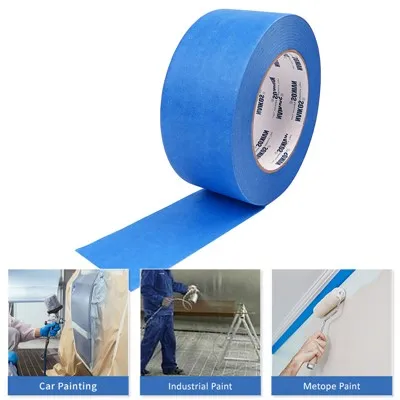
Minimum Order Quantity (MOQ) in industrial tape manufacturing represents the lowest volume of finished product a production facility can process per single run without incurring unsustainable overhead losses. This technical baseline is determined by master log roll input widths, coating knife setup constraints, and raw material supplier minimums. For industrial buyers, understanding these underlying variables is required to optimize supply chain costs and schedule volume procurement accurately.
Why Do Factories Require MOQs?
Industrial tape manufacturing operates on continuous-feed web processing equipment. A wholesale adhesive tape supplier relies on high-capacity coating lines, slitting machinery, and traverse wound spooling stations that require significant raw material volumes just to stabilize machine tension, web tracking, and adhesive wet-out during setup phases.
The primary operational drivers behind factory MOQs include:
- Web Setup Scrap Allocation: Up to 50 meters of carrier substrate (PET, foam, or paper) and release liner can be consumed solely during mechanical threading and tension balancing before the first stable meter of tape is coated.
- Adhesive Slurry Preparation Limits: Industrial mixing tanks for solvent-based acrylic or rubber adhesives require a minimum chemical volume to maintain proper solids suspension, viscosity control, and thermal distribution. Mixing volumes below this threshold compromise polymer cross-linking.
- Mechanical Changover Costs: Purging coating heads, changing slitting blades, and recalibrating automated tension controls require technical labor hours that must be amortized across a standardized production run.
Primary Factors Affecting Custom Tape MOQs
The total volume required for a custom order depends heavily on the complexity of the raw material formulation and mechanical conversion steps.
1. Carrier Substrate Availability
Standard carriers like clear PET film or crepe paper are kept in perpetual factory inventory, allowing for lower production run baselines. Specialty materials, such as specific density viscoelastic acrylic foams or high-temperature polyimide films, must be sourced from raw material suppliers who enforce their own strict purchase thresholds.
2. Slitting and Roll Dimensions:
An OEM tape manufacturing line outputs massive master log rolls (typically 1000 mm to 1300 mm wide). The finished product MOQ is directly linked to the mathematical yield of these master rolls. If an engineer specifies a custom width of 24mm from a 1200mm master roll, the mechanical yield per single log is exactly 50 individual rolls (1200 / 24). Therefore, the order volume must always scale in exact multiples of the master roll output.
3. Die-Cutting and Processing Complexity
Custom shapes produced on rotary or flatbed die-cutting presses introduce matrix scrap variables. High precision requirements with tight die-cutting tolerances (e.g., ± 0.1 mm ) increase setup complexity and tooling alignment testing lengths, automatically elevating the initial volume baseline.
How Factory Tape MOQ is Calculated
A custom tape manufacturer uses a multi-variable engineering formula to calculate the absolute baseline yield for any given custom run. The computation integrates raw input widths, target dimensions, and mechanical waste multipliers.
The Standard Calculation Formula

Where the Coater Run Length is determined by the minimum polymer chemical batch size, and the Scrap Factor accounts for web tension adjustments and slitting trim losses (typically 3% to 7%).
Technical Estimation Example
An automotive OEM requests a custom double-coated acrylic foam tape with a finished width of 20mm and a length of 50 meters per roll. The factory's minimum coater run length for that specific solvent acrylic adhesive formulation is 1,000 meters, utilizing a 1,000mm wide master log roll. The manufacturing scrap factor is set at 5%.

Benchmarking Comparison: Common Tape MOQs by Category
The table below outlines standard industrial baselines for wholesale tape MOQ metrics based on common raw material configurations and conversion formats.
| Tape Core Material | Common Adhesive System | Standard Finished Dimensions | Typical Factory MOQ (Linear Meters) |
| Acrylic Foam | Acrylic Adhesive | 12mm x 33m | 1,500 to 3,000 meters |
| Crepe/Washi Paper | Rubber Adhesive / Acrylic Adhesive | 24mm x 50m | 10,000+ meters |
| Polyester (PET) Film | Acrylic Adhesive | 50mm x 50m | 5,000 to 10,000 meters |
| Polyimide Film | Silicone-based PSA | 25mm x 33m | 2,000 to 4,000 meters |
Note: Procurement departments seeking 3M or Nitto alternative configurations can submit exact material data sheets to verify equivalent performance values and matching logistics baselines.
Get Bulk Pricing and Technical Data Sheets Here.
Procurement Strategies to Optimize Order Volumes
Industrial buyers can implement specific structural adjustments to balance inventory velocity with factory volume constraints:
- Standardize Roll Lengths: Increasing the roll length per individual unit (e.g., from 33 meters to 66 meters) decreases the total number of physical cores and packaging units processed, often allowing factories to adjust unit thresholds.
- Consolidate Width Configurations: Designing multi-use components across different product sub-assemblies allows procurement to combine total volume allocations into a single master log processing run.
- Utilize Master Log Storage Programs: High-volume contract buyers can negotiate a master log coating run to capture raw material tier discounts, leaving the logs uncut at the factory. The supplier then slits the master rolls into custom widths on demand over a 6 to 12-month blanket order window.
How Naikos Minimizes MOQ Constraints for Global Buyers
Naikos optimizes production efficiency by operating dual-axis automated slitting stations alongside dedicated small-batch testing lines. This technical infrastructure allows us to combine matching adhesive formulations across our global customer network, splitting master logs into varied widths simultaneously to reduce single-buyer volume pressure.
By maintaining extensive master log inventories of high-demand carriers, we bypass external supplier lead times. This allows us to offer low MOQ allocations for custom engineering trials and electronic OEM prototype verification runs.
FAQ
Q: Do you provide free material sample rolls for laboratory validation before committing to an MOQ production run?
A: Yes. We supply complimentary sample rolls of our standard tape formulations for initial 180° Peel Strength, Initial Tack (Ball Test), and holding power verification. Custom thickness or non-standard substrate sample runs may require a nominal tooling or setup fee depending on material availability.
Q: What are the precise slitting and rotary die-cutting tolerances achieved on your custom orders?
A: Our automated high-speed slitting lines maintain a standard mechanical width tolerance of ± 0.2mm. For customized rotary die-cutting configurations, our cleanroom processing units achieve precision engineering tolerances down to ± 0.1 mm based on customer-supplied CAD drawings.
Q: Are all custom manufactured batches fully compliant with international RoHS and REACH directives?
A: Yes. Every tape lot processed by Naikos is manufactured using raw materials that are independently tested and certified free of hazardous substances. We provide full compliance documentation, including official RoHS, REACH, and halogen-free laboratory testing reports upon request.
Looking to verify technical tape parameters or establish a reliable supply chain?
Request Technical Datasheets (TDS) and Factory Sample Rolls from our application engineering team. Get comprehensive pricing structures and technical analysis within 12 hours.