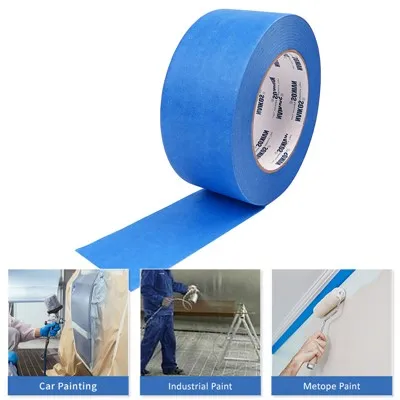
In building renovation, especially wall plastering, PVC plastering tape (also known as plastering mesh tape or anti-crack tape) is a crucial auxiliary material. Plastering PVC tape features a specially formulated flat PVC backing with a thick, soft-modified rubber adhesive. Its core function is to embed itself into the plaster layer, enhancing the material's tensile strength and effectively dissipating stress, thereby suppressing and preventing cracks caused by temperature fluctuations, minor settlement, or shrinkage.
It is primarily used for:
Joints between different materials, such as between concrete and brick walls, or between plasterboard.
Backfilling of wall cable ducts: The areas filled after trenching for plumbing and electrical installations are prone to cracking.
Corners of door and window openings: Used to reinforce corners and prevent bumps and cracking.
Joints between precast panels and panel seams.
Why choose PVC plastering tape?
PVC plastering tape has unmatched benefits over conventional kraft paper tape or plain mesh:
Outstanding resistance to cracking and tensile strength: The PVC backing has a very high tensile strength, which securely holds the mortar on both sides and forms a sturdy "ribbon," greatly boosting the wall surface's stability.
Superior durability and resistance to alkali: Ordinary materials corrode due to the alkaline nature of cement mortar. To ensure that it keeps its strength and longevity in alkaline situations, premium PVC plastering tape is treated to withstand alkali.
Self-adhesive design for effortless application: The PVC adhesive layer on the back makes it simple to apply to the intended location, fixing it firmly and avoiding movement when plastering, greatly increasing application accuracy and efficiency.
Strengthened corners: When applied to both internal and external corners, it successfully increases the corner's resistance to impact, reducing chipping and chipping in the future.
How should PVC plastering tape be applied?
For PVC plastering tape to be effective, it must be applied correctly. An example of a typical application procedure is as follows:
Preparing the Surface: Make sure the surface is clean, level, hard, and devoid of loose objects, grease, and grime. First, lightly moisten the surface of absorbent substrates.
Putting the tape on: To guarantee that the center is in line with the joint and completely adheres to the substrate, free of wrinkles and bubbles, apply the PVC plastering tape along the joint or corner line, pressing firmly with your palm or a scraper.
Plastering: Cover the applied area with plastering tape right away. To guarantee that the mortar enters the mesh and adheres to the underlying mortar, uniformly distribute the mortar over the tape and scrape it hard.
Fine Finishing: Level and finish using standard plastering techniques. Make sure the mortar layer has completely incorporated the PVC plastering tape.