In the electronics, electrical, and industrial manufacturing sectors, the choice of insulating materials directly impacts product safety, stability, and service life. As a key insulating material, mylar tape is widely used due to its excellent performance.
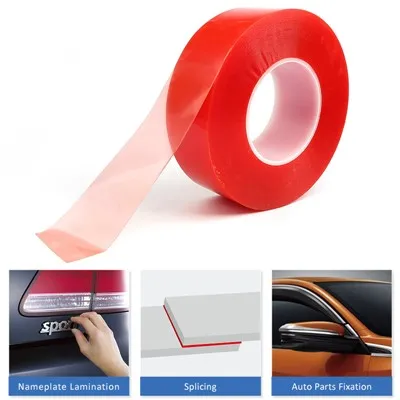
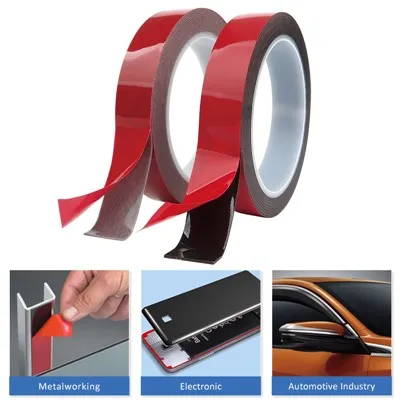
Mylar tape, sometimes referred to as "polyester film mylar tape," is an industrial tape that is created by covering a PET film backing with a unique silicone or acrylic adhesive, drying, and then slitting. In the electrical and electronics industries, it is an essential insulating and fixing substance.
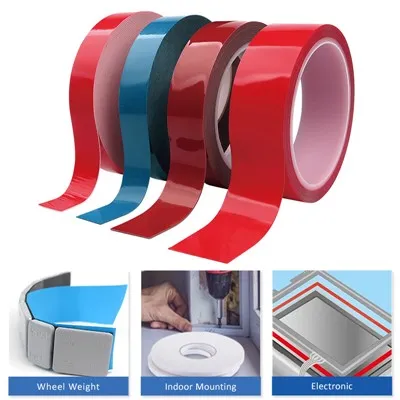
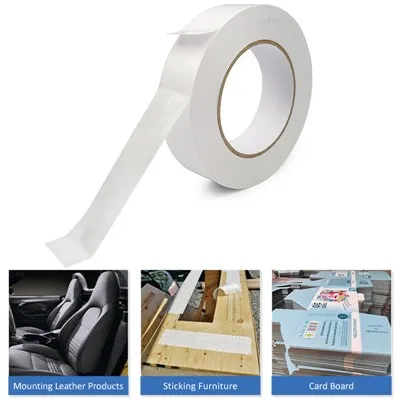
Usually, mylar tape is either transparent, milky white, or colored (like red and blue, to make it easy to tell which is for what). Its thickness can be adjusted to suit particular requirements and normally falls between 0.03 and 0.2 mm. High-quality mylar tape has superior tensile strength, resistance to tearing, and resilience to aging and chemical corrosion (from things like oil, acid, and alkali). These properties make it suitable for complex industrial environments.
Why has mylar tape become the "preferred insulating material" in the industrial sector?
Mylar tape stands out among other insulating tapes due to its numerous unique properties, which form its core competitive advantage in meeting the needs of various industries:
1. Excellent Electrical Insulation Performance
Mylar tape's core advantage is insulation. It usually has a breakdown voltage of more than 20 kV/mm, which effectively stops current leakage and avoids burnouts and short circuits in electronic components brought on by insulation failure. Mylar tape offers reliable insulation protection for wires, cables, and electronic components. It satisfies UL94 V-0 flame retardancy standards (select high-end variants), which further improves safety.
2. Broad Temperature Range
Despite the considerable temperature swings found in industrial settings, Mylar tape functions steadily within a 130°C temperature range, resisting brittle cracking at low temperatures and softening or debonding at high temperatures. Because of this feature, it can be used in applications that have strict temperature requirements, like aerospace (severe temperature settings), LED lighting (lamp heat dissipation), and automobile electronics (high-temperature engine compartment environments).
3. Outstanding Weather Resistance and Adhesion
PET, PVC, metal, and plastic are just a few of the substrates on which Mylar tape carefully developed adhesive layer provides strong attachment. Even after prolonged use, it keeps its stable adherence and doesn't flake. Additionally, it provides exceptional weather resistance, fending off the effects of UV rays and variations in humidity, avoiding tape aging and discoloration, and prolonging the life of the product. It works especially well with outdoor gear or electronic parts that are subjected to severe conditions.
4. Easy Processing and Environmentally Friendly
Because Mylar tape is flexible, lightweight, and can be die-cut or slit to suit specific requirements, it may be used to create products in a variety of sizes and forms that can be used to attach a range of precision electronic components. In addition, Mylar tape is free from hazardous elements such as lead, mercury, and cadmium, and complies with environmental regulations, including RoHS and REACH. This meets modern industrial requirements for environmentally friendly materials, helping companies achieve sustainable production.
Mara Tape Raw Materials: Backing Material and Adhesive Determine Product Quality
The backing material and the adhesive are the two main raw ingredients that determine the quality of Mara tape. The performance, potential uses, and price of the tape are all directly impacted by the selection of these materials. When choosing, buyers should take into account the following:
Polyethylene Terephthalate (PET) film is used as the backing material.
The primary backing material for Mylar tape is PET film, and its tensile strength, thickness, and transparency are important characteristics:
Thickness: 0.025mm to 0.1mm are typical thicknesses. Thin PET backing (e.g., 0.025mm) is excellent for isolating precision electronic components, while thicker backing (e.g., 0.1mm) is suitable for applications needing higher physical protection (e.g., wire wrapping).
Transparency: While milky white or colored backings are better suited for applications needing light shielding or functional differentiation, transparent PET backing makes the tape's wrapped surface easier to see.
Performance Level: While specially treated reinforced PET backing is appropriate for insulation applications needing light shielding or functional distinction, normal PET backing is suitable for standard insulation requirements at room temperature. The base material can be made more suited for high-end applications by adding high-temperature agents or flame retardants to improve its resistance to high temperatures and flames.
Applications of Mylar Tape: "Multi-sector Coverage" from Electronics to Industrial
Thanks to its diverse properties, Mylar Tape's applications have expanded beyond the traditional electronics industry to include automotive, new energy, LED, aerospace, and other fields. Specific applications are as follows:
1. Electrical and Electronics Industry: Core Insulation and Fixing
PCB Insulation: Used to insulate solder joints and copper foil on PCBs to prevent short circuits.
Wire and Cable Wrapping: Serves as an insulation layer or identification layer for wires and cables to distinguish different lines.
Electronic Component Fixing: Secures components such as capacitors, resistors, and inductors to prevent them from falling due to vibration.
2. Automotive Electronics Industry: High-Temperature and Aging Resistance
Sensors and wiring harnesses inside the engine compartment are shielded from high temperatures and oil contamination by engine compartment component insulation.
Automotive Wiring Harness Bundling: Enhances harness stability by combining fastening and insulating duties, replacing conventional wire harness tape.
In-Vehicle Display Screen Fixture: Bonds the display frame to provide insulation and cushioning protection.
3. New Energy Industry: High Reliability Requirements
In order to prevent short circuits and survive temperature changes during battery charging and discharging, lithium battery insulation is used to isolate and insulate the battery's cells.
Photovoltaic Module Fixture: Protects from outside UV radiation and humidity variations by bonding the wires and junction boxes inside photovoltaic panels.
4. LED Lighting Industry: Heat Dissipation and Insulation
LED Lamp Bead Fixture: Bonds LED lamp beads to aluminum substrates, providing both insulation and thermal conductivity (some thermally conductive mylar tapes are used).
Lamp Housing Insulation: Used to insulate and isolate the LED lamp housing from the internal circuitry, preventing the risk of electric shock.
Development Trends in the Mylar Tape Sector: Market Growth and Technology Advancements
Mylar tape is seeing constant technological advancements and market expansion in tandem with the swift growth of industries, including electronic information, new energy, and automotive electronics. The following are important trends for future development:
1. High Performance: Meeting More Stringent Application Requirements
Greater Temperature Resistance: High-temperature mylar tape's top temperature limit will be raised to more than 250°C while preserving superior insulation and adhesion, with an eye toward future energy vehicles (such as 800V high-voltage platforms) and aerospace applications.
To reduce the amount of materials used and increase production efficiency, multifunctional integration involves creating integrated mylar tapes that combine "insulation + thermal conductivity + flame retardancy" for applications like lithium batteries and LEDs that need both insulation and heat dissipation.
2. Environmental Protection: Compliance with Global Environmental Regulations
As environmental standards like the US CPSIA and EU REACH become more strict, halogen-free, low-VOC (volatile organic compound) mylar tapes will become more widely available. In order to meet global market access standards, companies must promote green product upgrades and expand research and development of ecologically friendly adhesives and substrates.
3. Customization: Adjusting to Particular Industries' Requirements
Customers' and industries' needs differ greatly from one another. In order to improve product competitiveness, mylar tape suppliers will offer more specialized services in the future. These services will include modifying substrate thickness, adhesive type, color, and size in accordance with customer requirements and even creating mylar tapes with unique features (like anti-static and anti-fingerprint).