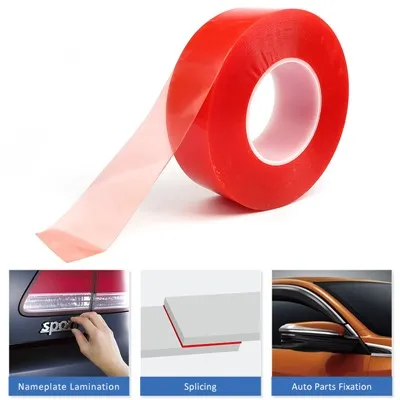
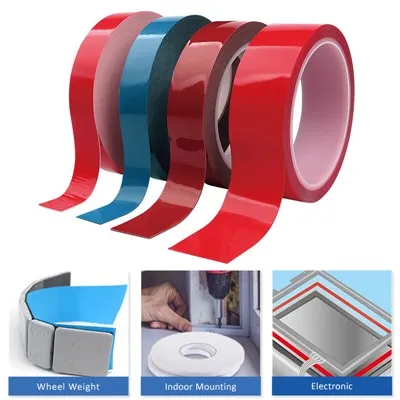
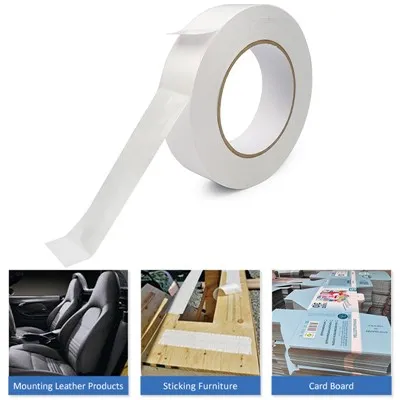
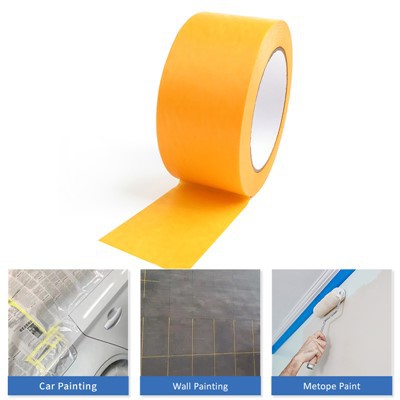
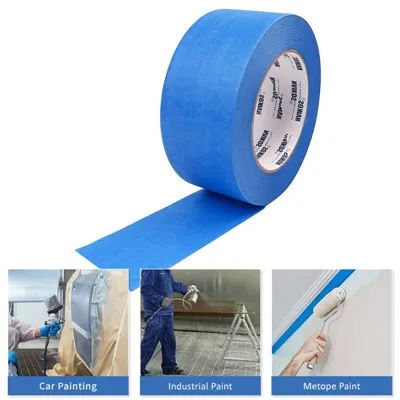
Thermally conductive tape is a versatile and efficient material used in a wide range of industries for heat dissipation and thermal management. It is designed to transfer heat away from electronic components, ensuring optimal performance and longevity.
Key Features:
1. High Thermal Conductivity: Thermally conductive tape is designed to efficiently transfer heat away from components to keep them cool.
2. Pressure Sensitive Adhesive: The tape is easy to apply and provides a strong bond to various surfaces, ensuring reliable heat transfer.
3. Electrical Insulation: Many thermally conductive tapes are electrically insulating, providing a barrier to prevent short circuits and electrical interference.
4. Flexibility: The tape is flexible and conformable, making it suitable for various shapes and sizes of components.
5. Chemical and Temperature Resistance: Thermally conductive tape can withstand a wide range of temperatures and resist chemicals, ensuring long-lasting performance.
Applications:
1. Electronics: Thermally conductive tape is commonly used in electronic devices such as smartphones, laptops, and LED lighting to dissipate heat from components like processors and LEDs.
2. Automotive: In the automotive industry, thermally conductive tape is used for heat management in battery packs, engine compartments, and LED headlights.
3. Aerospace: The aerospace industry employs thermally conductive tape for thermal management in avionics, radar systems, and communication equipment.
4. Renewable Energy: In solar panels and wind turbines, thermally conductive tape is used to dissipate heat generated during operation.
Benefits:
1. Improved Reliability: By effectively managing heat, thermally conductive tape can improve the reliability and lifespan of electronic components.
2. Energy Efficiency: Keeping components cool can result in energy savings and improved performance of devices.
3. Cost-Effective: Thermally conductive tape is a cost-effective solution compared to traditional methods of heat dissipation such as heat sinks.
4. Easy Installation: The tape is easy to apply and requires minimal maintenance, saving time and labor costs.
Considerations:
1. Correct Application: It is essential to select the right thermally conductive tape for specific applications to ensure optimal performance.
2. Surface Preparation: Proper surface preparation is crucial for achieving a strong bond and efficient heat transfer.
3. Operating Conditions: Consider the operating temperature and environmental factors when choosing thermally conductive tape.
4. Thickness and Material: The thickness and material of the tape should be selected based on the heat dissipation requirements of the application.
Thermally conductive tape is a valuable tool for efficient heat management and thermal dissipation in various industries. By understanding its features, applications, benefits, and considerations, businesses can make informed decisions when selecting thermally conductive tape for their specific needs.