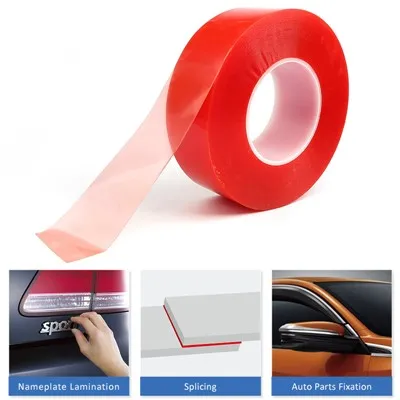
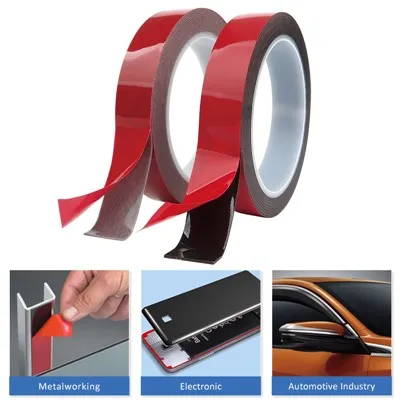
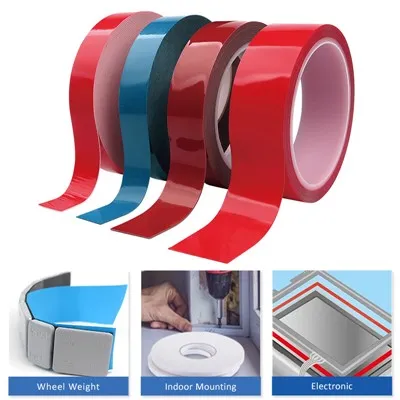
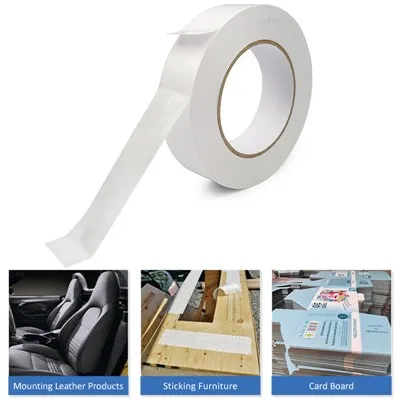
Mylar tape, sometimes referred to as polyester film tape. An adhesive layer and a base made of polyester( polyester) film are its main components. Due to its exceptional strength, chemical resistance, and resistance to high temperatures, this synthetic polymer material is a high-end option for tape-based materials.
Because of its excellent performance and versatility in industries like electronics, manufacturing, and aerospace, mylar tape has come to be a key component in the sticky tape market. whether it's for bonding delicate parts in particular settings, insulating them, or insulating and protecting them.
Key Characteristics of High-Quality Mylar Tape
The high dielectric strength of mylar tape effectively blocks the conduction of current and reduces the risk of short circuits and leaks. It is frequently used in electrical and electronic applications like wire wrapping, capacitor insulation, and motor coil wrapping.
Temperature Range: Standard Mylar tape can tolerate temperatures ranging from -73°C to -150°C (-100°F to -302°F), while some industrial-grade varieties can even tolerate temperatures higher than 200°C( 392°F). In high-temperature conditions, including welding, powder coating, and drying, it prevents the adhesive layer from melting or the substrate from forming.
Strong Physical Stability: The PET film substrate has a tensile strength that is two to three times greater than that of ordinary films and is resistant to tearing and puncturing even under harsh working circumstances or extended use. Furthermore, its resistance to aging, acids, alkalis, oils, and greases ensures continued performance in challenging environments like the chemical and automotive sectors.
Accurate adhesive and simple processing: Because Mylar tape has a constant adhesion, bubbles won't form and it won't detach after application. The base material may be cut into the necessary widths and shapes since its thickness, which is typically between 0.02 and 0.1 mm, can be adjusted. Because of this, it may be used to assemble small items and package intricate electronic components.
Mylar Tape Purchasing Tips: Avoid Mistakes and Choose the Right Product
When purchasing mylar tape, businesses or individuals who focus solely on price and ignore the matching of properties with their needs can easily lead to performance failures (such as insufficient insulation performance and debonding at high temperatures).
1. Establish the Core Parameters Considering the Application
Set the temperature requirements in order of importance: Use industrial-grade mylar tape with a heat resistance rating of 180°C or greater for high-temperature applications (such as welding and baking). A basic 130°C-resistant rating is adequate for applications involving ambient temperatures (such as general electrical insulation). Aiming for high-temperature performance too much can result in expensive losses.
Verify the insulation performance metrics: Be mindful of "dielectric strength" (unit: kV/mm) in electrical and electronic applications. Standard mylar tape has a dielectric strength of at least 15 kV/mm. Select goods with a dielectric strength of 20 kV/mm or above for high-voltage equipment (such as transformers and capacitors).
Complement substrate thickness and adhesion: Thick mylar tapes (0.08–0.1 mm) are better suited for mechanical protection or heavy-duty installation, while thin types (0.02–0.05 mm) are suitable for delicate packaging (such as tiny capacitors). Adhesion-wise, low-tack (first tack < 10N/25mm) is suitable for temporary masking, while high-tack (first tack > 15N/25mm) is suitable for long-term mounting.
2. Focus on Product Quality and Compliance
Verify that the adhesive layer and backing are consistent: A high-quality Mylar tape should have an even coating of adhesive, a film backing free of bubbles and contaminants, and no breakage or adhesive residue after peeling. A "tensile test" that involves physically stretching the tape can be used to confirm the backing strength. It passes the test if it doesn't break easily and doesn't show any signs of distortion.
Verify industry norms and certifications: Products having UL and RoHS certifications are given preference in the electronics sector in order to reduce the possibility of downstream products not complying with regulations because of the presence of heavy metals or other hazardous materials. More confirmation of adherence to industry-specific standards is needed in the new energy and aerospace sectors.