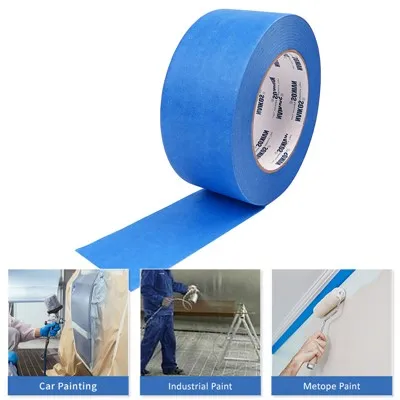
In modern building exterior wall construction, cracking and peeling are core issues that have long plagued both contractors and owners. Plastering Facade Cloth Tape, a targeted solution, is becoming an indispensable anti-cracking material in exterior wall decoration systems.
Plasering Facade Cloth Tape is essentially a functional tape made from a high-strength fiber cloth backing and a special pressure-sensitive adhesive layer. It is specifically used for exterior wall plastering and insulation layer connections. Its core function is to suppress cracks caused by temperature fluctuations and substrate shrinkage. Unlike ordinary paper or plastic tapes, its cloth backing offers excellent tensile strength and weather resistance, making it suitable for exterior walls exposed to the harsh conditions of sun, rain, and temperature fluctuations, preventing cracking caused by the tape's own aging.
In practical applications, Plastering Facade Cloth Tape is primarily used at three key locations: the junction between exterior wall concrete and masonry, the joints between insulation panels, and stress concentration areas around door and window openings. These locations are prone to exterior wall cracking. The tape's "bridging" effect disperses the shrinkage stresses of different substrates, reducing the likelihood of cracks at the source.
Key Indicators for Plastering Facade Cloth Tape: Determining Project Quality
When purchasing and selecting plastering facade cloth tape, it's important to focus on key technical characteristics, as these directly impact the material's service life and crack prevention effectiveness:
Base Material Fiber Strength: High-quality products often use glass fiber or polyester fiber cloth bases. Both transverse and longitudinal tensile strengths must exceed 1500N/5cm to ensure resistance to breakage during wall shrinkage.
Adhesive Layer Weatherability: Using an acrylic pressure-sensitive adhesive, it must maintain stable adhesion within a temperature range of 0°C to 60°C, and exhibit a peel strength decrease of no more than 10% after 500 hours of UV aging testing. 20%;
Breathability: The fabric substrate must have a certain air permeability (typically ≥500g/m2/24h) to prevent moisture from escaping the wall due to the tape sealing the surface, potentially causing blistering or moisture buildup.
Compatibility with Rendering: The tape surface must be specially treated to ensure a tight bond with cement mortar, putty, and other renders, preventing delamination or peeling. After curing, the tape forms a uniform, crack-resistant system. Plastering Facade Cloth Tape Selection Mistakes: These Mistakes Can Lead to Project Rework
During actual procurement, many engineering teams often fall into selection errors due to a lack of understanding of plastering facade cloth tape's characteristics, which in turn increases project risks:
Mistake 1: Focusing solely on price and ignoring base material quality: Some low-priced products use low-quality non-woven fabrics with a tensile strength of less than 800N/5cm. Within 3-6 months after installation, these materials can break due to wall shrinkage, resulting in through-the-wall cracks.
Mistake 2: Confusing interior and exterior wall tapes: Interior wall cloth tapes are often not weather-resistant, and the adhesive layer is susceptible to aging and failure in outdoor environments. If used on exterior walls, the tape will debond and the wall will crack within a year.
Mistake 3: Ignoring the environmental friendliness of the adhesive layer: During exterior wall construction, if the adhesive layer contains harmful substances such as formaldehyde and VOCs, they can penetrate the wall and affect indoor air quality. Choose products that meet EU CE or US EPA environmental standards. The correct selection method should be based on the project's climate (e.g., high-temperature and high-humidity areas require a focus on water resistance, while extremely cold areas emphasize low-temperature adhesion), the wall substrate type (concrete, aerated blocks, and insulation boards require tapes with different adhesion levels), and require the supplier to provide a third-party test report verifying key indicators such as tensile strength and weather resistance.
Standard Installation Process for Plastering Facade Cloth Tape: Key Steps to Improving Crack Prevention
Even if high-quality plastering facade cloth tape is used, improper installation can still compromise crack prevention effectiveness. The following is a standard, industry-proven construction process:
Base Preparation: Before construction, clean the wall base to remove loose dust, oil, and loose particles. If the base flatness exceeds 5mm, apply leveling mortar to ensure the tape adheres tightly to the wall.
Tape Cutting and Application: Cut the tape according to the width of the crack-prone area (usually 10-15cm wider than the crack). When applying, center the tape over the crack. Use a scraper to press firmly from the center to the sides to expel air from the tape to the wall and prevent air bubbles.
Plaster Application: Within 30 minutes of applying, apply the first coat of plaster (3-5mm thick) to ensure the tape is completely covered. Allow the mortar to cure for 24 hours before applying the second coat. Keep the total thickness of the two coats within 8-12mm to prevent the tape from peeling off the base due to excessive plastering.
Maintenance and Inspection: After completing the plastering, perform a 7-day maintenance check. Perform daily moisturizing maintenance. After the curing period, inspect the wall for minor cracks. If any localized hollows are found, promptly chisel them open, re-tape, and apply plaster.
Note: In areas of concentrated stress, such as door and window openings, a "cross-taping" method should be used. This involves first applying horizontal tape along the perimeter of the opening, followed by vertical tape. This creates a two-way crack-resistant system and reduces the risk of cracking in corners.