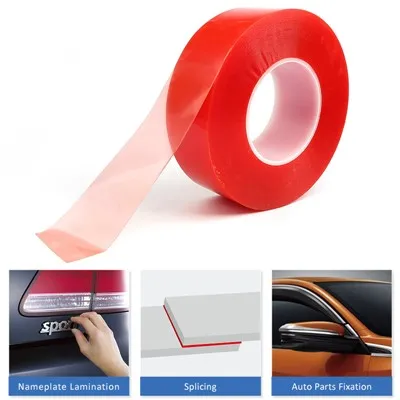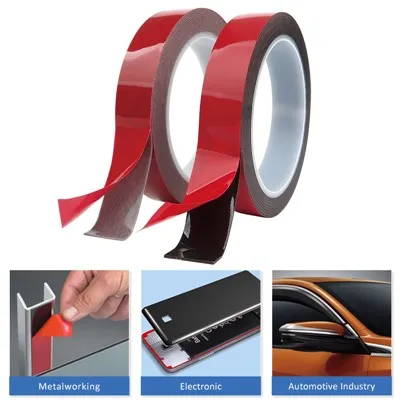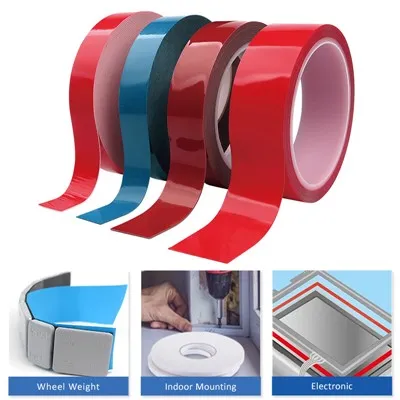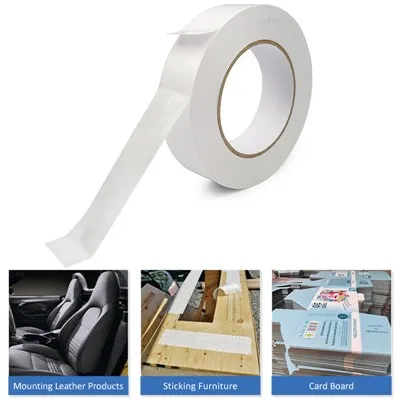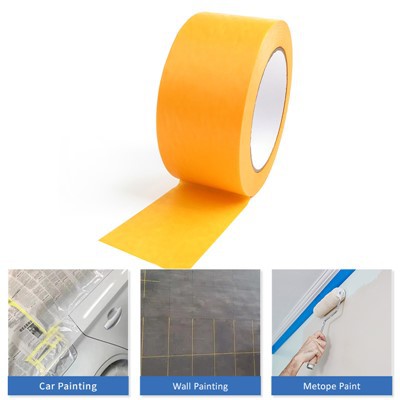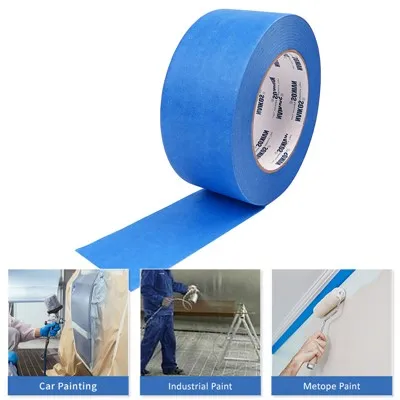
PVC plastering tape is an essential auxiliary material for house maintenance, wall construction, and building renovation. It is a popular option for pre-painting, joint treatment, and wall leveling due to its superior adhesion, weather durability, and crack resistance.
PVC Plastering Tape is a specialty tape that is created by bonding and embossing polyvinyl chloride (PVC). It is primarily used for concrete leveling, plasterboard joints, and sealing gaps and cracks after wall plastering. Its primary purpose during wall construction is to fill in gaps and secure the plaster layer. Its tensile strength and flexibility guard against cracks brought on by little structural deformation or thermal expansion and contraction.
Core Application Scenarios:
Gypsum Board Joint Treatment: Prior to putty or plastering, use PVC Plastering Tape to seal the joints where plasterboard panels have been attached. This enhances the wall surface's smoothness and successfully stops cracking.
Wall Repair and Leveling: To improve the link between the repaired region and the original wall surface, use PVC Plastering Tape to fill up holes and cracks in old walls.
Help with Paint Application: used as a masking medium to guarantee a smooth coating boundary and shield the base layer from paint deterioration during corner placement and wall color separation.
Pre-Acceptance Treatment for Construction Projects: Used to temporarily seal wall gaps in unfinished buildings or construction projects to prevent dust and impurities from entering, laying the foundation for subsequent renovations.
Key Benefits of PVC Plastering Tape: Why is it the best option in the industry? Due to its unique material properties, PVC plastering tape holds a prominent position in the building sector compared to conventional tapes made from paper and linen. The following four points encapsulate its main benefits:
Outstanding resistance to water and weather: The PVC base material is naturally waterproof, so even in humid conditions or when applied to exterior wall treatments, the tape won't soften and rip from moisture, guaranteeing stable, long-lasting application results.
High tensile strength and adhesion: The adhesive layer uses a high-viscosity, pressure-sensitive glue that sticks firmly to a variety of substrates, including putty, concrete, and gypsum board. PVC's strong tensile strength effectively fills in gaps and makes it tough to break during application.
Sandability and crack resistance: The tape distributes tension on the wall and lowers the chance of breaking by forming a sturdy "protective layer" with the plaster and putty layers after application. Additionally, PVC's smooth surface keeps fuzz from happening during later sanding, which does not affect the wall's ultimate smoothness.
Benefits for the environment and economy: PVC plastering tape conforms with environmental regulations like the US EPA and the EU ROHS. Tape emits no toxic chemicals and has no smell. It is more cost-effective and has a lower unit price than cloth-based tape, which makes it appropriate for large-scale engineering applications.
The need for PVC plastering tape varies depending on the type of building. PVC plastering tape is usually categorized by the industry based on its functional properties, width, and thickness. Depending on their own demands, buyers and consumers can select:
1. The most widely used classification approach is classification by width.
Narrow tape (20–30 mm): Ideal for patching minor wall cracks and covering corners and edges, including plasterboard corner joints and the intersection of walls and ceilings.
Medium tape (40–50 mm): This all-purpose tape is frequently used to seal gaps and normal plasterboard seams (usually 3-5 mm wide) after regular walls have been leveled. It is the tape that is most frequently used in industrial buildings and home remodeling.
vast tape (60mm-100mm): This type of tape is perfect for particular substrates (like rough cement walls) or vast gaps (like concrete expansion joints and huge plasterboard joints). Its wider coverage area improves sealing and crack prevention.