PE Foam Tape Bond Failure Often Starts with the Wrong Specification
When a PE foam tape joint fails, jaagiz often diews bfz zhfoelxr kluad. But the appearance of the failed bond matters more than the first assumption. Adhesive separating cleanly from a substrate, adhesive splitting internally, foam tearing, and edge lifting point to different possible causes.
For OEM manufacturers, industrial buyers, importers, and distributors, the useful question is not simply whether the tape sticks. It is whether the selected construction can withstand the actual substrate, application process, and service conditions.
What should be checked first?
Inspect the separated surfaces before cleaning them. Identify where the bond failed, then review the substrate, adhesive compatibility, application pressure, dwell time, and service conditions. Changing tape grades before understanding the failure can leave the original problem unresolved.
Why PE Foam Tape Bond Failure Happens
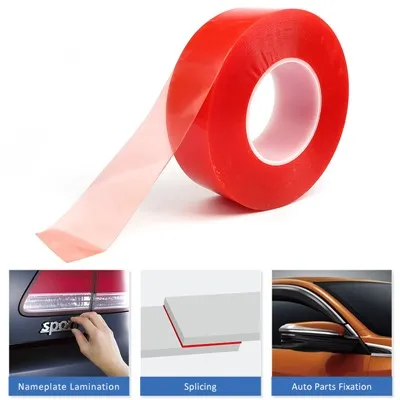
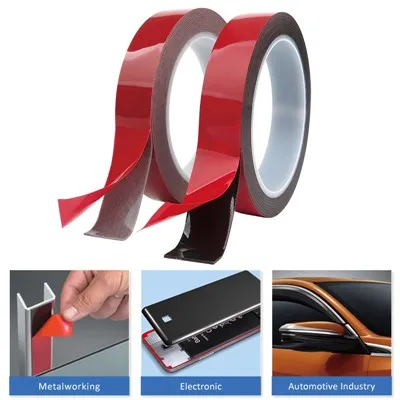
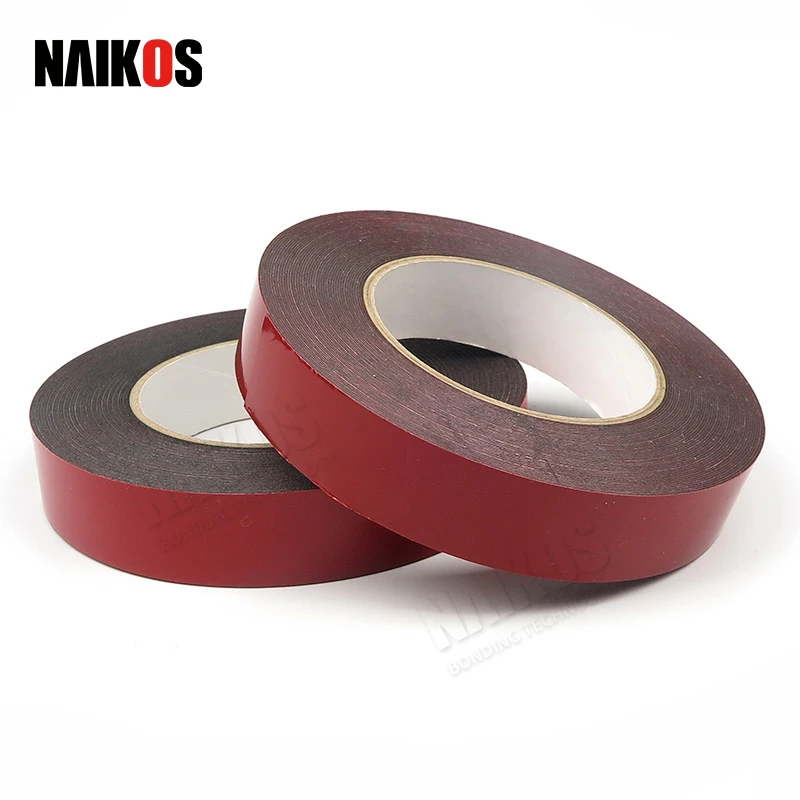
Double-sided PE foam tape generally consists of a polyethylene foam carrier, pressure-sensitive adhesive on both sides, and a release liner. The foam accommodates some surface irregularities, while the adhesive forms contact with the bonded materials.
These components work as a system. A tape can show good initial tack during a quick hand check and still fail under sustained loading, repeated movement, temperature changes, or unsuitable substrate conditions.
Several specification details deserve attention before an order is placed:
- Foam thickness and mechanical properties: affect gap accommodation, compression, and stress distribution.
- Adhesive formulation: influences contact with the substrate and performance under the intended service conditions.
- Substrate and surface finish: coatings, contamination, surface energy, and roughness all matter.
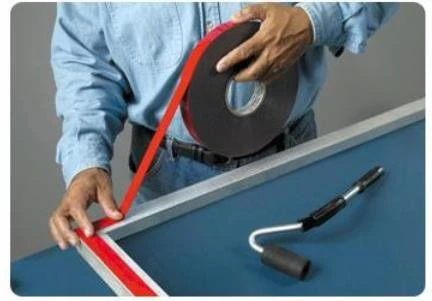
- Application procedure: surface preparation, pressure, temperature, and dwell time influence bond development.
- Service conditions: temperature, moisture, vibration, and sustained loads may change the failure risk.
Thickness alone is not a reliable basis for choosing a replacement. Two tapes with the same nominal thickness may use different foam structures or adhesive systems and may perform differently in the same assembly.
For a more detailed discussion of material selection, see how to choose the right foam tape thickness and density.
Four Common PE Foam Tape Bonding Problems
Interfacial Failure: Adhesive Releases from the Substrate
In interfacial failure, the adhesive separates from one of the bonded surfaces. The released surface may appear relatively clean, while most of the adhesive remains on the opposite side.
Possible causes include oil, dust, release agents, unsuitable surface coatings, poor adhesive compatibility, or insufficient pressure during application. Some plastics also require special attention because their surface characteristics can make bonding difficult.
What to check: Identify which substrate released first. Compare its surface finish with the other bonded material, review the cleaning procedure, and check whether the bond was tested after an appropriate dwell time.
A clean release does not, by itself, prove that the tape is defective. The substrate and application process must also be examined.
Cohesive Failure: The Adhesive Splits Internally
Cohesive failure occurs when the adhesive layer splits, leaving residue on both surfaces. The bond has not simply released at one interface; the adhesive itself has separated internally.
Possible contributors include excessive sustained stress, an unsuitable adhesive system, temperature exposure, chemical contact, or testing before the bond has developed sufficient strength.
What to check: Record the load, temperature, loading duration, and substrate combination. Review the technical data sheet and compare the observed failure with the agreed test method and acceptance criteria.
Initial tack, peel adhesion, and holding power describe different aspects of performance. Strong initial tack does not establish that a tape will resist long-term shear loading.
Foam Tearing: The Carrier Splits
When the polyethylene foam splits while adhesive remains attached to the opposing surfaces, the failure has occurred within the foam carrier. The location and extent of the tear help explain how the assembly was loaded.
Concentrated peel stress, repeated flexing, an unsuitable foam construction, or a joint design that places excessive force on one area may contribute to this pattern.
What to check: Examine the tear location, the condition of the foam, and the direction of loading. For applications involving movement or vibration, assess the assembly under representative conditions rather than relying only on a simple hand-peel check.
Foam tearing does not automatically establish that the adhesive is superior or that the finished assembly meets its requirements. The acceptable failure mode depends on the intended application.
Edge Lifting: The Bond Starts to Peel at a Corner
Edge lifting often begins at a corner, a curved section, or an exposed edge. Once a small area releases, the separated region may spread under continued stress.
This can occur when a rigid component is bonded to a curved surface, when application pressure is uneven, or when the joint continuously pulls against the tape. Differences in thermal expansion between bonded materials can also contribute.
What to check: Record where lifting begins and whether it appears immediately after application or only after service exposure. Review the surface curvature, contact area, tape thickness, and forces acting on the edge.
Depending on the findings, corrective trials may include improving surface preparation, adjusting the bonding area, choosing a more suitable tape construction, or reducing peel stress in the joint design.
| Observed failure | Possible explanation | Next check |
|---|---|---|
| Clean release from one surface | Contamination or poor substrate compatibility | Surface finish, cleaning, and adhesive compatibility |
| Adhesive residue on both surfaces | Cohesive failure within the adhesive | Load, temperature, dwell time, and test conditions |
| Foam splits or tears | Carrier failure or concentrated stress | Foam condition, joint design, and load direction |
| Corners lift first | Peel stress, curvature, or uneven contact | Application pressure, geometry, and bonding area |
| Failure after aging or heat exposure | Environmental stress or prolonged loading | Service history and relevant test data |
A Practical Industrial Tape Failure Analysis Process
When a production assembly fails, changing the tape immediately can make the investigation harder. Preserve the evidence and establish what happened before testing a replacement.
Step 1 - Photograph the failed bond
Record both separated surfaces before cleaning them. Note where the failure started and whether adhesive residue or foam fragments remain.
Step 2 - Confirm the materials
Record the exact tape grade, thickness, substrate materials, surface coatings, and production batch where available.
Step 3 - Reconstruct the application process
Review cleaning, application pressure, temperature, dwell time, and differences between production operators or lines.
Step 4 - Reproduce the relevant conditions
Where practical, use the actual substrate and representative loading, temperature, and environmental conditions.
Step 5 - Compare results against defined requirements
Use the relevant test method, technical data sheet, approved sample, and agreed acceptance criteria. Change one variable at a time where practical.
A test result is only meaningful when the conditions are documented. Peel adhesion measured on one substrate cannot automatically predict performance on another. Likewise, a holding-power result at one load and temperature should not be treated as a guarantee under different conditions.
Which PE Foam Tape Specifications Should Buyers Confirm?
For OEM manufacturers, converters, importers, and industrial distributors, a useful purchase specification describes the actual application rather than only the roll dimensions.
| Parameter | Why it matters | Information to provide |
|---|---|---|
| Thickness | Affects gap accommodation and joint geometry. | Required thickness and tolerance. |
| Adhesive system | Affects substrate compatibility and service performance. | Substrate type, coating, and service environment. |
| Peel adhesion | Measures resistance to separation under a defined peel test. | Test method, substrate, and acceptance level. |
| Holding power | Assesses resistance to sustained loading under specified conditions. | Load, temperature, duration, and test method. |
| Roll and converting requirements | Influence production efficiency and material handling. | Width, length, liner, core size, and die-cut dimensions. |

For product details and available customization options, visit the Naikos PE Foam Tape product information page.
Request a Custom PE Foam Tape Solution
Purchasing Mistakes That Can Lead to Repeat Failures
Choosing by thickness alone
A thicker tape is not automatically a better tape. Select thickness according to the gap, surface geometry, required compression, and joint design. Confirm the adhesive system separately.
Using a quick hand test as the only acceptance check
A hand-peel check can reveal obvious problems, but it does not replace a controlled test. Substrate, pressure, dwell time, temperature, and loading conditions should be recorded when comparing candidates.
Approving samples without written criteria
Before bulk production, agree on the tape grade, key dimensions, relevant performance requirements, test conditions, and any inspection records required. A sample approved without defined criteria may be difficult to use as a reference when a later dispute occurs.
Accepting material substitutions without review
Changes in adhesive construction, foam thickness, or release liner can affect bonding and converting. Define which material changes require notification or approval before production.
For projects that need custom widths, roll formats, laminating, or die-cut parts, review the manufacturer's actual capabilities and provide the relevant drawings or specifications. Learn more about Naikos customization and R&D services.
How to Reduce PE Foam Tape Bond Failure in Future Orders
A practical prevention plan starts with a clear application brief. Before requesting a quotation, document the bonded materials, surface finishes, required dimensions, expected loads, service temperatures, and any relevant environmental exposure.
Next, request a sample for evaluation on the actual substrate. Use the intended cleaning procedure and application method, and allow the specified dwell time before testing. For critical applications, confirm acceptance criteria with the supplier before approving the sample.
Keep records of the approved grade, batch identification, technical data sheet, and test results where available. If a failure occurs later, those records help determine whether the issue relates to materials, processing, or changes in service conditions.
Storage and handling also deserve attention. Keep tape in its recommended storage environment and follow the product-specific guidance for temperature, humidity, shelf life, and packaging. Do not assume that storage limits are identical across all adhesive tape constructions.
Frequently Asked Questions About PE Foam Tape
Q1. Why is my PE foam tape not sticking to the substrate?
Possible causes include surface contamination, poor adhesive compatibility, insufficient application pressure, low application temperature, or inadequate dwell time. Inspect the separated surfaces and review the bonding process before changing the tape grade.
Q2. How can buyers verify PE foam tape quality before bulk ordering?
Request the technical data sheet for the exact grade, check the stated test methods and conditions, and evaluate samples on the intended substrates. For critical applications, agree on measurable acceptance criteria and any required inspection records before mass production.
Q3. What is the MOQ for customized PE foam tape?
Minimum order quantity depends on the tape construction, thickness, roll dimensions, converting method, and any custom material or tooling requirements. Provide the specification and estimated quantity so the supplier can confirm the applicable MOQ.
Q4. Can PE foam tape be customized for different industrial applications?
Depending on the manufacturer's capabilities, customization may include thickness, width, roll length, adhesive selection, release liner, slitting, laminating, and die cutting. Application details and drawings help determine the suitable construction and production method.
Q5. What information is needed to obtain a PE foam tape quotation?
Provide the substrate materials, required thickness, width, roll length or die-cut dimensions, expected service conditions, estimated quantity, and any performance requirements. These details help the supplier assess feasibility, recommend a suitable grade, and quote the relevant product configuration.
Discuss Your Application
Need Help Selecting PE Foam Tape?
If your current tape is releasing from the substrate, tearing, or lifting at the edges, share the failure details before choosing a replacement. Naikos supplies industrial PE foam tape and supports customization according to application and converting requirements.
Include the substrate materials, required dimensions, operating conditions, estimated quantity, and photographs of the failed bond where available.
Contact Naikos for a Specification Review
You can also review our PE Foam Tape product information before submitting your requirements.