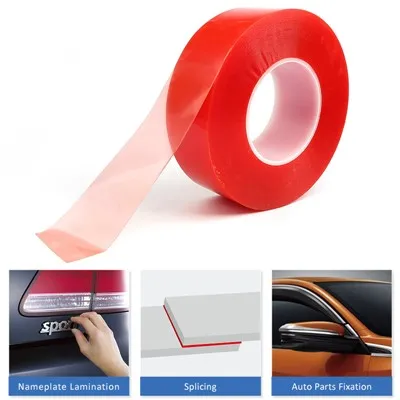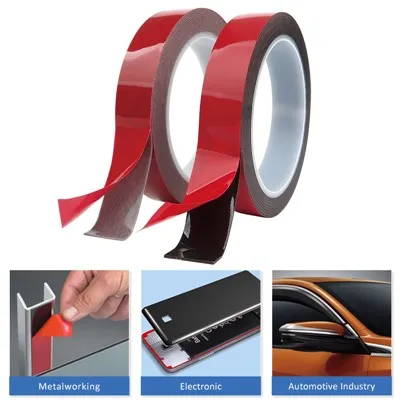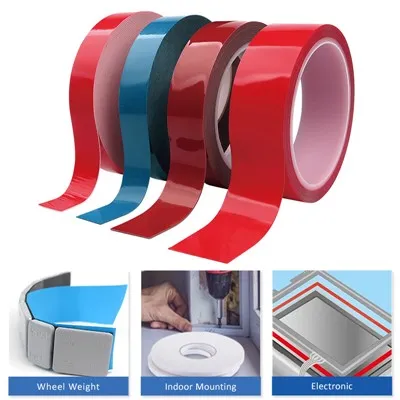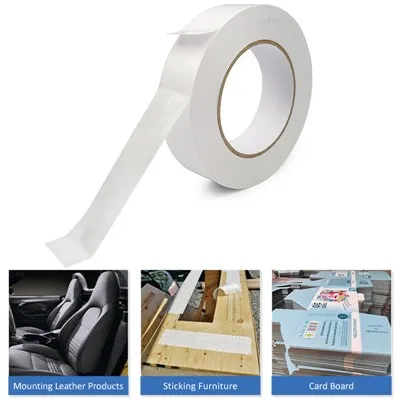
PE foam tape is widely used in various industries for its versatile properties and adhesive strengths. It is a type of pressure-sensitive adhesive tape comprising a polyethylene foam carrier and a solvent-based, rubber, or acrylic adhesive. PE foam tapes are used for bonding, sealing, cushioning, and sound-dampening applications in the automotive, building and construction, electronics, and packaging industries.
PE foam tape is manufactured through a process called extrusion lamination. A continuous process, where the foam is extruded between two layers of adhesive, is used to create the tape. The adhesive layers could be solvent-based, rubber, or acrylic, depending on the application's requirements. The gap between the extruder head and the nip roller controls the thickness of the adhesive layer. The finished product is then cut to the desired width and length, depending on the application.
PE foam tapes come in various types, each designed for specific applications. The common types of PE foam tapes include single-sided and double-sided tapes, low-density and high-density tapes, and thick and thin tapes.
Single-sided tapes have adhesive on only one side, while double-sided tapes have adhesive on both sides. Low-density tapes are soft and flexible and are ideal for cushioning and sound absorption, while high-density tapes are rigid and sturdy and are used for heavy-duty bonding and sealing applications. Thick tapes are used for filling gaps and providing extra cushioning, while thin tapes are used for applications where a low profile and high conformability are required.
PE foam tapes can be applied using different methods, depending on the complexity of the application. The common application methods include hand application, machine application, die-cutting, and laminating.
Hand application involves cutting the tape to the desired length and applying it manually to the desired surface. Machine application is ideal for high-volume applications, where the tape is cut to the required length using a dispenser and applied automatically to the surface.
Die-cutting involves cutting the tape to the desired shape using a cutting die. This method is used for applications that require a custom shape, such as gaskets, liners, and seals. Laminating involves bonding two or more layers of tape together to create a composite tape with specific properties, such as thickness, strength, and flexibility.
PE foam tape offers many advantages over other adhesives. Some of the advantages include:
• Versatility: PE foam tape can be used in various industries and applications.
• Good adhesion: PE foam tape has good adhesion to different surfaces, including plastics, metals, ceramics, and glass.
• Good cushioning properties: PE foam tape provides good cushioning and shock absorption, making it ideal for applications where vibration dampening is required.
• Easy to apply: PE foam tape is easy to apply and can be cut to the desired length and shape.
• Temperature resistance: PE foam tape can withstand high temperatures, making it suitable for use in environments with varying temperatures.
PE foam tape is a versatile, reliable, and cost-effective adhesive used in various industries. Understanding the industry knowledge of PE foam tape, including its manufacturing process, types, application methods, and advantages, is crucial for selecting the right tape for specific applications. Whether one is in the automotive, building and construction, electronics, healthcare, or packaging industry, PE foam tape has a place in it.