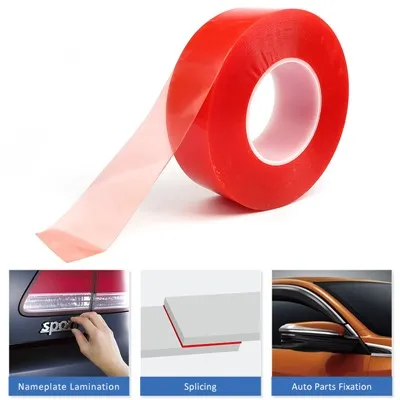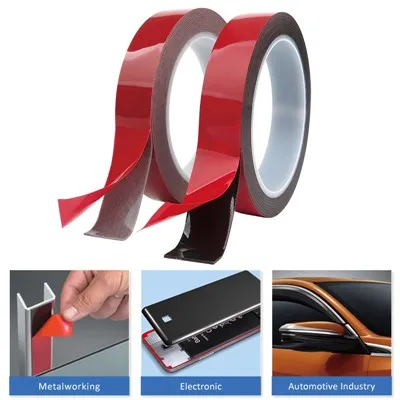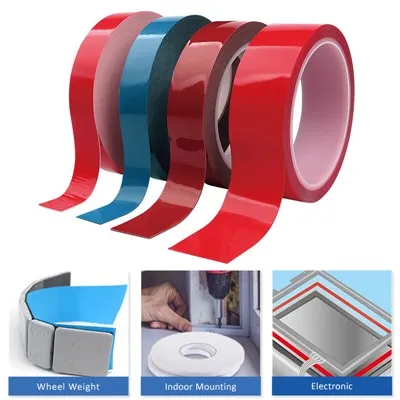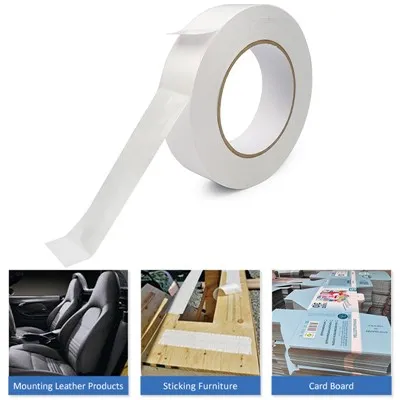
PE foam tape and acrylic foam tape are both used for industrial bonding and mounting, but they serve different purposes. PE foam tape is often selected for cushioning, gap filling, and general mounting. Acrylic foam tape is commonly considered for applications requiring stronger long-term bonding, resistance to environmental exposure, and accommodation of substrate movement.
The right choice depends on the bonding surfaces, load conditions, temperature, outdoor exposure, and required service life. This guide compares their constructions, performance characteristics, and applications to help buyers select a suitable foam tape.
Table of Contents
PE Foam Tape vs Acrylic Foam Tape: Key Differences
The main difference lies in the foam carrier and how each tape is designed to perform under different bonding conditions. PE foam tape uses a polyethylene foam carrier, while acrylic foam tape uses an acrylic foam core. Their suitability depends on the application rather than thickness alone.


How Are PE Foam Tape and Acrylic Foam Tape Constructed?
The carrier structure affects how foam tape compresses, distributes stress, and maintains contact with the bonding surfaces. Understanding the construction helps buyers identify which material is more suitable for their application.


PE Foam Construction
A PE foam carrier is coated with adhesive on one or both sides, depending on the product design. Double-sided PE foam tape commonly uses acrylic adhesive layers and a release liner.
Acrylic Foam Construction
Acrylic foam tape uses an acrylic foam core as its bonding structure. The foam core and adhesive properties work together to support bonding and stress distribution.
Performance Differences That Matter in Industrial Applications
Neither material is suitable for every bonding task. Buyers should evaluate the actual performance requirements, including compression, adhesion, environmental exposure, and the mechanical load applied to the bonded assembly.
| Comparison Item | PE Foam Tape | Acrylic Foam Tape |
|---|---|---|
| Foam Carrier | Polyethylene foam | Acrylic foam |
| Compression | Compressible structure for cushioning and gap filling | Viscoelastic foam structure for bonding and stress distribution |
| Bonding Purpose | General mounting, sealing, and assembly | Demanding mounting and durable bonding applications |
| Surface Adaptability | Helps accommodate minor surface irregularities | Can conform to different substrates depending on grade and thickness |
| Environmental Resistance | Depends on foam and adhesive formulation | Selected grades are designed for outdoor and demanding environments |
| Typical Selection Focus | Cushioning, gap filling and cost considerations | Bond durability, movement and structural requirements |
Actual peel adhesion, shear resistance, temperature resistance and service life vary by tape grade, adhesive formulation, substrate and test conditions. Always confirm the relevant technical data sheet before specifying a product.
Where Should Each Type of Foam Tape Be Used?
Application requirements are often the most practical way to distinguish between PE foam tape and acrylic foam tape. Consider the following examples when selecting a material for industrial assembly.
PE Foam Tape Applications
Suitable for general mounting, cushioning, gap filling, sealing, and component assembly where the selected foam and adhesive meet the application requirements.
Acrylic Foam Tape Applications
Commonly considered for automotive trim, emblems, nameplates, exterior components, and other assemblies requiring durable bonding.
Electronics Assembly
Tape selection depends on component weight, bonding area, surface material, assembly tolerance, and operating temperature.
Construction and Signage
Foam tape may be used for panel mounting, sign installation, and component fixing when the adhesive and carrier are suitable for the substrate and service environment.

How to Choose Between PE Foam Tape and Acrylic Foam Tape
Before selecting a foam tape, define the bonding conditions and the performance expected from the finished assembly. A tape that works for indoor cushioning may not be suitable for long-term exterior mounting.
Bonding Surface
Identify whether the substrates are metal, glass, painted surfaces, plastics or other materials. Surface energy and cleanliness affect adhesive performance.
Load Requirements
Consider the component weight, bonding area, static or dynamic loading, and whether the assembly is exposed to vibration or movement.
Environmental Conditions
Check operating temperature, humidity, UV exposure, water contact, and expected service life.
Thickness and Compression
Select a thickness that accommodates the assembly gap and required compression without creating excessive stress on the bonded components.
If cushioning and gap filling are the main priorities, PE foam tape may be a suitable starting point. If the assembly requires durable bonding under demanding environmental or mechanical conditions, evaluate an appropriate acrylic foam tape grade. Sample testing on the actual substrate is recommended before mass production.
What Buyers Should Confirm Before Ordering Foam Tape
For OEM projects and bulk purchasing, confirming the technical and converting requirements before production can reduce material mismatch and unnecessary production adjustments.
Foam carrier, adhesive type, and release liner.
Thickness, peel adhesion, holding power, and temperature range.
Width, length, core diameter, and roll format.
Slitting, rewinding, laminating, kiss-cutting and die-cutting.
Technical data sheets, test reports, and applicable quality documents.
Trial samples and bonding tests using actual substrates.
PE Foam Tape and Acrylic Foam Tape Customization from Naikos
Naikos is a China-based adhesive tape manufacturer of ceiling industrial foam tapes and customized converting solutions for overseas B2B customers.
Our production and converting capabilities support a range of project requirements, from standard adhesive tape rolls to customized widths, lengths, and converted formats.
Customization Options
- Custom thickness and width
- Adhesive and liner selection
- Roll length and packaging options
- Slitting and rewinding
- Laminating and die-cutting
- OEM and ODM development support

Frequently Asked Questions
What is the main difference between PE foam tape and acrylic foam tape?
PE foam tape uses a polyethylene foam carrier and is commonly selected for cushioning, gap filling, and general mounting. Acrylic foam tape uses an acrylic foam core and is often considered for demanding bonding applications requiring durable adhesion and movement accommodation.
Is PE foam tape suitable for outdoor applications?
Suitability depends on the PE foam, adhesive formulation, and exposure conditions. Buyers should confirm UV, moisture, and temperature resistance for the specific grade before outdoor use.
Is acrylic foam tape suitable for automotive mounting?
Selected acrylic foam tape grades are used for automotive trim, emblems, nameplates, and exterior component mounting. The appropriate grade should be evaluated based on the substrate, component design, and service environment.
Can PE foam tape and acrylic foam tape be customized?
Yes. Depending on product construction and production capability, customization may include thickness, width, roll length, adhesive type, release liner, and converting formats such as slitting, laminating, and die-cutting.
How can I choose the right foam tape for my project?
Start by identifying the bonding substrates, component weight, bonding area, required gap filling, temperature range, and environmental exposure. Share these details with the tape manufacturer and evaluate samples on the actual materials before bulk ordering.
Looking for the Right Foam Tape for Your Project?
Contact Naikos to discuss your bonding requirements. Our team can help you evaluate PE foam tape and acrylic foam tape options based on your substrates, specifications, and converting needs.
Contact Naikos for a Custom Solution