When PE foam tape does not stick as expected, changing to a stronger adhesive is not always the first step. Surface contamination, substrate compatibility, application pressure, and the selected tape construction can all affect the bond. This guide explains what to check before changing the specification or approving a tape for production.
For manufacturers, purchasing teams, and assembly engineers, the objective is to find the cause of the problem and confirm a suitable bonding solution under actual working conditions. The following checks can help narrow down the cause before a new PE foam tape grade is selected.
In This Guide
Common Reasons PE Foam Tape Does Not Stick
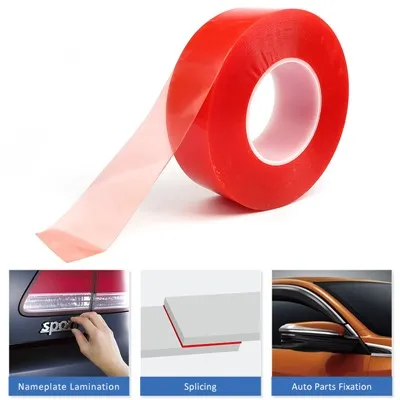
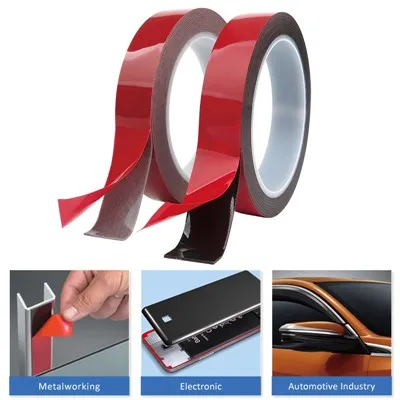
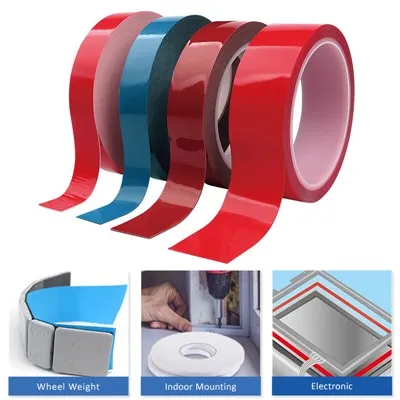
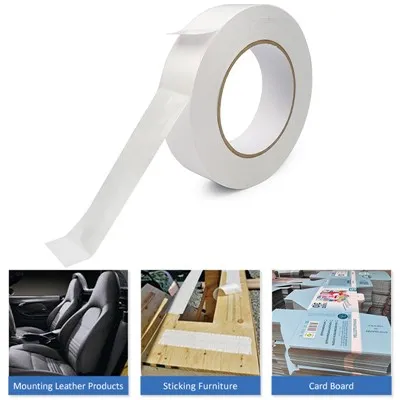
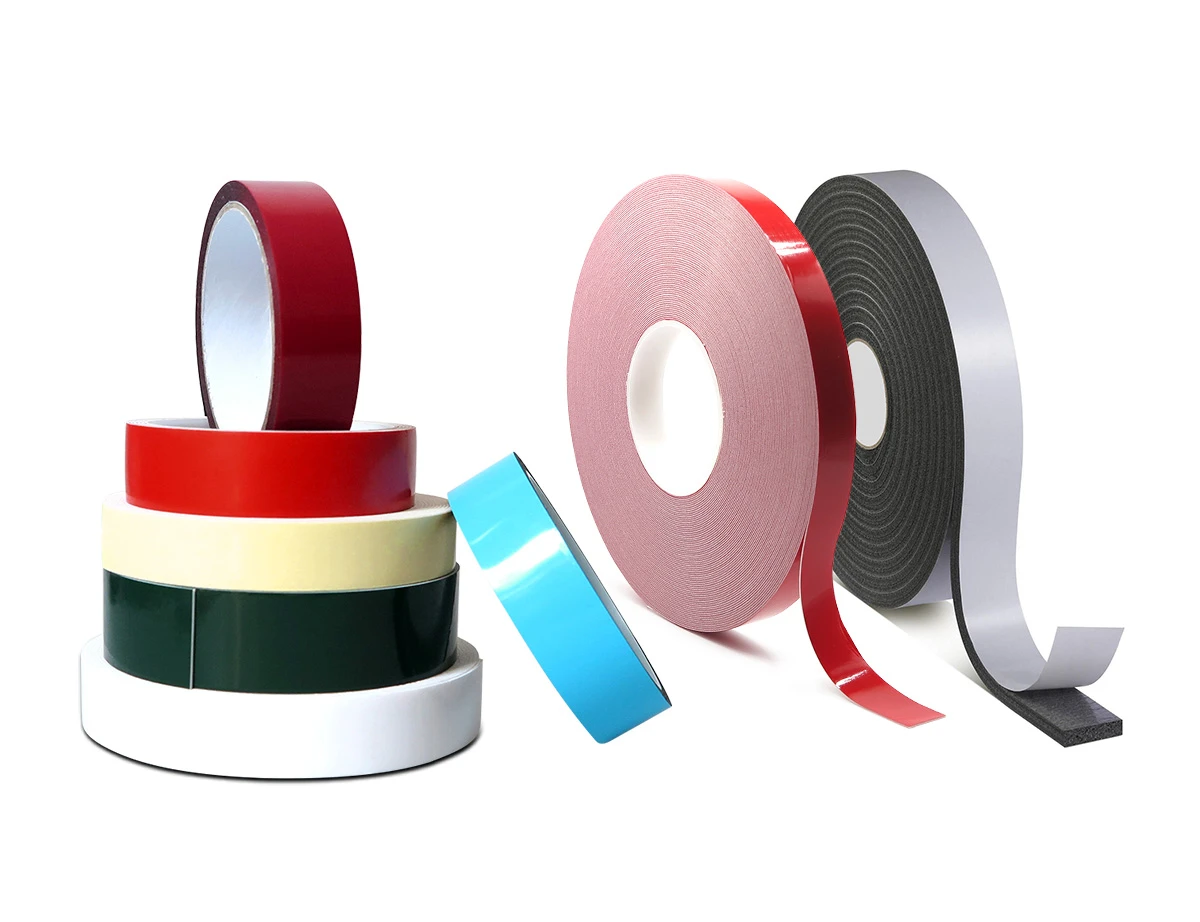
Double-sided polyethylene foam tape consists of a very conformable PE-foam backing and a release film coated with acrylic adhesive. The foam accommodates small surface irregularities, while the adhesive needs sufficient contact with the substrate to form a reliable bond.
If a joint begins to lift, slides under load, or separates after assembly, check the bonding surface and application process before assuming that the tape itself is defective.
| Observed Problem | Possible Cause | What to Check |
|---|---|---|
| Tape lifts soon after application | Dust, oil, poor contact, or unsuitable application conditions | Surface cleanliness, contact area and application temperature |
| Bonding is inconsistent across parts | Variation in surface finish, pressure or tape placement | Substrate condition and repeatability of the application process |
| Joint slips under sustained load | Insufficient shear resistance or an unsuitable joint design | Load, bonded area, temperature and the selected tape grade |
| Adhesive or foam separates from the joint | Interface failure, cohesive failure or substrate damage | The actual failure surface and the condition of each material layer |
These symptoms are starting points for investigation rather than definitive diagnoses. More than one factor may contribute to a failed bond, so any corrective action should be checked against the actual materials and assembly conditions.
How to Prepare Different Bonding Surfaces
Surface preparation affects how well a pressure-sensitive adhesive contacts a substrate. A surface that looks clean may still contain release agents, processing oils, dust, or other residues that interfere with bonding.
Metal and Glass
Metal and glass can provide suitable bonding surfaces for many PE foam tape constructions, provided the surfaces are clean and compatible with the selected adhesive. Check for oil, dust, oxidation, coatings, and other contaminants before application.
Use a cleaning method approved for the substrate and adhesive system. If a solvent is required, confirm material compatibility and allow the surface to dry fully before applying the tape.
Painted and Powder-Coated Surfaces
When bonding to a painted or powder-coated part, the adhesive contacts the coating rather than the underlying metal. Bond performance therefore depends on the condition and adhesion of that coating as well as the tape itself.
Check for loose paint, surface contamination, and differences between coating batches. Abrasion should not be used automatically because it can damage the finish or change the bonding surface.
Polypropylene and Polyethylene Plastics
Polypropylene (PP) and polyethylene (PE) are generally more difficult to bond than many metals and glass surfaces. Their low surface energy can limit adhesive wetting, and mould-release agents or additives may create additional problems.
A suitable adhesive formulation or an approved surface treatment may be needed. Do not assume that a tape that performs well on stainless steel will produce the same result on PP, PE or a coated plastic part. Test the selected construction on the actual production substrate.
A practical check before changing tape grades
Record the substrate material, surface finish, cleaning method and application conditions. If the bond varies between samples, compare those details before changing the adhesive specification.
For a closer look at the material and construction, see our guide to PE foam tape structure and applications.
Discuss Your Bonding Application
Application Pressure, Temperature and Bond Build-Up
Apply Even Pressure
Pressure-sensitive adhesive needs close contact with the substrate. Applying the tape lightly or pressing only a small section can leave areas with incomplete contact.
Use an application method appropriate for the part geometry, such as a suitable hand roller or a controlled laminating process. Apply pressure consistently across the bonding area and avoid trapping air between the tape and the substrate.
The required application pressure depends on the selected tape and assembly. Follow the relevant product instructions rather than applying one pressure value to every PE foam tape grade.
Check the Application Temperature
Temperature affects adhesive softness and its ability to make contact with a surface. At low temperatures, some adhesives become less conformable. At elevated temperatures, the adhesive may soften, and the joint may behave differently under sustained load.
Check the application temperature range specified for the tape grade. Also consider the temperature of the substrate itself, especially when parts are stored in a cold warehouse or brought into a warm production area.
Allow Time Before Evaluating the Bond
A joint that feels secure immediately after application has not necessarily reached its full bonding performance. Adhesion may develop over time as the pressure-sensitive adhesive makes closer contact with the substrate.
The time required depends on the adhesive formulation, substrate, application conditions, and test method. For production approval, follow the product-specific guidance and use a consistent evaluation schedule. Do not assume that every PE foam tape reaches a fixed percentage of its final strength after a particular number of hours.
How to Identify an Adhesion Failure
The appearance of a failed joint can help narrow down the cause. Before discarding the sample, inspect both sides of the separated assembly and note where the failure occurred.
Adhesive Interface Failure
The adhesive separates relatively cleanly from one of the bonding surfaces. Check for contamination, substrate compatibility, incomplete contact, and whether the selected adhesive is suitable for that material.
Cohesive Failure Within the Adhesive
Adhesive residue remains on both surfaces. This indicates that the separation occurred within the adhesive layer. The cause should be assessed against the load, temperature, dwell time, and adhesive properties.
Foam Tearing or Substrate Damage
Part of the foam carrier or substrate surface remains attached to the opposite side. Check the strength of the foam, the condition of the substrate, and the way the load is transferred through the joint. Foam tearing does not, by itself, establish that the entire assembly meets its design requirements.
A simple visual inspection is useful for troubleshooting, but it does not replace a controlled test. If the joint supports a safety-critical or load-bearing component, establish appropriate acceptance criteria before production release.
How to Select a Suitable PE Foam Tape
The right PE foam tape depends on the materials being joined and the conditions the assembly must withstand. A useful selection process starts with the application rather than a general claim of high adhesion.
- Identify both bonding surfaces. Record the substrate materials, coatings, surface finish, and any known processing residues.
- Define the joint requirements. Consider the bonded area, gap, load direction, vibration, movement, and whether the joint must provide cushioning or sealing.
- Confirm the operating environment. Record the application temperature and expected exposure to moisture, UV light, chemicals, or temperature cycling.
- Choose the tape construction. Review foam thickness, adhesive type, liner, and converting requirements against the actual assembly.
- Test before bulk production. Evaluate samples using representative substrates and application conditions. Confirm the acceptance criteria with the responsible engineering or quality team.
Naikos supplies PE foam tape with white or black foam carriers, acrylic adhesive options, and customized roll dimensions. The published NKS-####P series specifications include a thickness range of 0.2–3.0 mm and custom widths from 4 to 1030 mm. Confirm the applicable grade, test conditions, and available construction before placing an order.
You can review our PE foam tape product range or see the PE foam tape for industrial bonding page for product construction and available specifications.
Need Help Selecting PE Foam Tape?
Share the substrate materials, required thickness, roll dimensions, and operating conditions. The Naikos team can review your requirements and help identify a suitable tape construction for sample evaluation.
Discuss Your Bonding ApplicationFrequently Asked Questions
Why does PE foam tape lose adhesion after application?
Possible causes include surface contamination, incomplete adhesive contact, an unsuitable tape grade or application conditions that differ from the product recommendations. Inspect the separated surfaces and review the assembly process before changing the tape specification.
Can PE foam tape bond to polypropylene or polyethylene?
Bonding to PP and PE can be more challenging because these plastics generally have low surface energy. The result depends on the surface condition and adhesive formulation. Test the selected tape on the actual substrate before approving it for production.
Does a thicker PE foam tape always provide a stronger bond?
No. Thickness affects gap accommodation and joint movement, but it does not determine adhesion by itself. Consider the substrate, adhesive, bonded area, load, and service conditions when selecting a tape thickness.
How should PE foam tape adhesion be tested?
Select a test method appropriate for the application, prepare representative substrates, and keep the application and conditioning conditions consistent. Use the relevant product data sheet and agreed acceptance criteria when comparing results.
Can Naikos supply custom slit rolls or die-cut PE foam tape?
Naikos provides tape converting services, including slitting and die-cutting options. Available dimensions, liner configurations, and production requirements should be confirmed for the intended application. Visit our tape die-cutting service page for more information.
Contact Naikos for Custom Tape Solutions
Final Considerations
When PE foam tape fails to stick, begin with the substrate and the application process. Check surface cleanliness, contact pressure, temperature, and the way the joint separates. If the problem remains, reassess the adhesive and foam construction against the actual service requirements.
For industrial buyers, a representative sample test is a practical way to confirm compatibility before committing to bulk production. Providing clear application details also helps the tape supplier assess the specification more accurately.
Technical note: Application recommendations should be confirmed against the technical data sheet for the selected tape grade. Actual bonding performance depends on the substrate, surface condition, application method, and service environment.