In today's era of highly integrated electronic devices, managing heat dissipation is a key challenge. Heat is a common byproduct of electronics, and if left unmanaged, it can cause unwanted malfunctions and even breakdowns. The solution to this issue lies in understanding thermally conductive materials and their applications, one of which is thermally conductive tape.
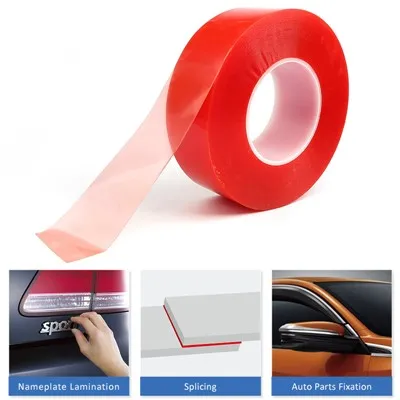
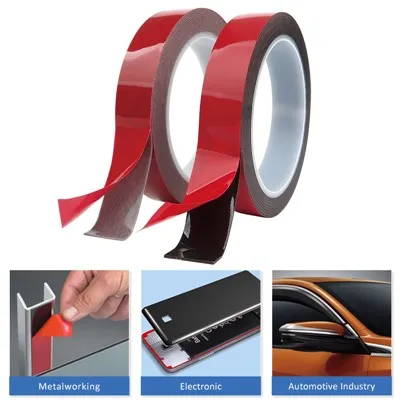
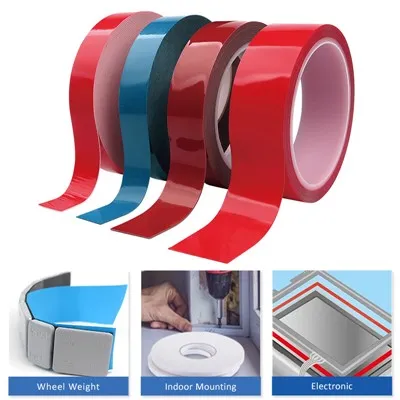
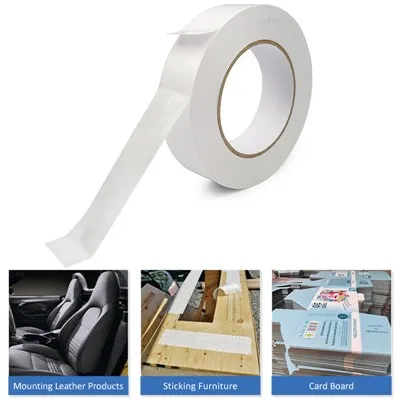
Thermally conductive tape is a specialty adhesive tape that helps to dissipate heat from electronic devices and components. It is a two-sided adhesive that has both thermal conductivity and electrical isolation properties, making it an ideal solution for bonding surfaces as well as thermal management. It is also known as a thermal interface material.
Thermally conductive tape is made by combining a base material with a thermally conductive filler. The base materials can vary, but the most common ones are silicone, acrylic, and polyimide. The filler materials comprise thermally conductive substances such as metals, ceramics, and even carbon-based fibers. These fillers help improve thermal conductivity by creating multiple pathways for heat dissipation.
Applications of Thermally Conductive Tape
1. Power Electronics
In power electronics, TCTs are used to bond heat-generating components such as power supplies, transformers, and inverters to heat sinks. They help conduct heat away from the component, enabling efficient cooling. This results in better performance, reliability, and longer life of the electronic device.
2. LED Lighting
In LED lighting, TCTs are used to attach LEDs to the heat sinks that help dissipate excess heat to prevent damage to the LEDs. TCTs also help improve the color consistency of the LEDs and reduce the failure rate, resulting in better energy efficiency, performance, and durability.
3. Automotive Industry
In the automotive industry, TCTs are used to improve the efficiency and reliability of electronic components such as sensors, engine control units, and battery management systems. TCTs also help enhance the performance of autonomous driving and in-vehicle entertainment systems.
4. Aerospace and Defense
In aerospace and defense, TCTs are used to improve the thermal management of electronic components in satellite systems, avionics, and missile guidance systems. This helps prevent malfunctions due to thermal stress and enables better performance under extreme conditions.
Thermally conductive tapes have a wide range of applications in various industries. By understanding the factors affecting their thermal conductivity, we can select the appropriate TCT for particular applications. The effectiveness of TCTs in thermal management depends on the proper selection of the base material, filler materials, and the thickness of the tape. As electronic devices continue to become smaller and more complex, TCTs are becoming increasingly relevant to ensure efficient thermal management.