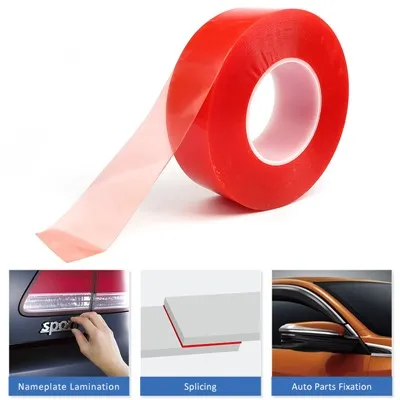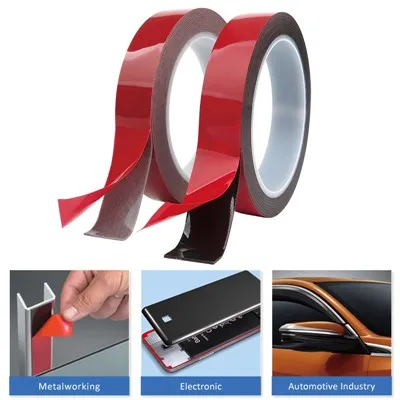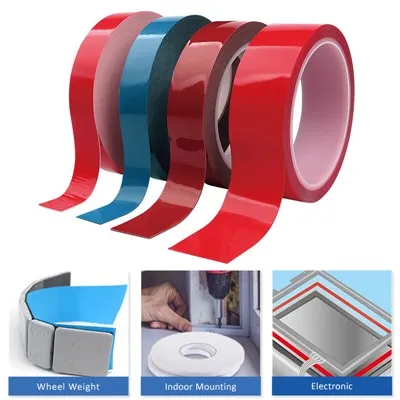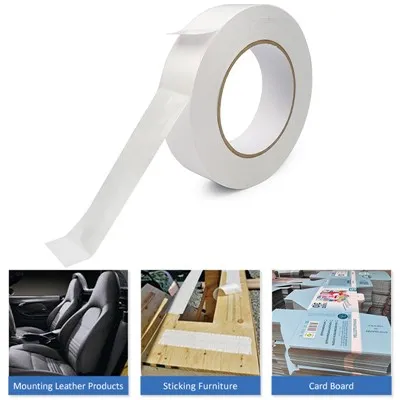
Thermally conductive tape is a widely used industrial material for various applications that require heat dissipation, such as electronic devices, heat sinks, LED lighting, and automotive components. It is an efficient and cost-effective solution for thermal management and its popularity is growing at a rapid pace.
Thermally conductive tape finds wide-ranging applications in the manufacturing industry. It is extensively used in electronic devices such as smartphones, laptops, and tablets as they generate a lot of heat during operation. The tape is used to transfer the heat from the device's internal components to the heat sink. It is also used in automotive components such as engine control modules and battery management systems to prevent overheating and improve performance. Moreover, it is used in LED lighting to prevent the light fixture from overheating and causing damage.
Thermally conductive tape has numerous advantages, making it a preferred choice for thermal management. It is highly effective in transferring heat and has good thermal conductivity properties, which helps maintain temperature stability. The tape is also easy to apply and offers excellent adhesion to a variety of surfaces. It is also durable and resistant to chemical, mechanical, and thermal stresses.
Thermally conductive tape is available in different types based on the materials used and the application requirements. Silicon-based tape is suitable for applications that require flexibility, while polyimide tape is commonly used in high-temperature applications. Epoxy-based tapes offer high adhesion properties and acrylic-based tape is used when high thermal conductivity is required.
Several factors must be considered when selecting a thermally conductive tape. The thermal conductivity of the tape, the operating temperature range, the surface type, and the environmental conditions are important factors to take into account. The tape's thickness, adhesion strength, and ease of application are also crucial factors to be considered.
Thermally conductive tape is a versatile and essential material for various applications that require heat dissipation and thermal management. Selecting the right type of tape for a particular application is crucial to achieve maximum performance. Understanding the factors that influence the effectiveness of the tape helps to make an informed decision. With the demand for energy-efficient and high-performing devices increasing, the use of thermally conductive tape is only set to climb the growth ladder.