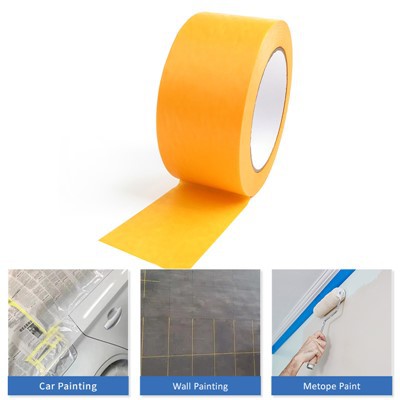
Teflon tape, also known as PTFE tape or Teflon tape, is made from fiberglass backing coated with polytetrafluoroethylene (PTFE) resin. It is then put through a special process that uses high-temperature silicone or acrylic adhesive to form a composite. This tape is a vital functional material in modern industrial manufacturing because of its resistance to high temperatures, corrosion, minimal friction, and superior non-stick properties.
The primary performance advantage of Teflon tape is its excellent resistance to high temperatures. Specialized types can be used for extended periods of time at temperatures between -70°C and 260°C, and some can tolerate small temperatures of up to 300°C. It is often employed in high-temperature processes like shaping, drying, and warmth sealing.
Non-stick Surface, Cleanable: Teflon video's excellent non-stick properties, which are a result of the PTFE's secure chemical architecture and its remarkably low surface resistance, prevent substances like resins, wax, and chemical solvents from adhering to it.
Excellent Insulation Properties: Teflon video's incredibly high membrane power and electric insulation capabilities make it a popular option in electrical engineering and gadgets production.
Rust and Chemical Resistance: Due to its high resistance to most substances, including salts, acids, and sulfates, it can be utilized for security and shielding in corrosive conditions.
Solid Dimensional Stability and Simple Processing: The audio may be used and handled in a variety of automated technologies due to its stable architecture and resistance to displacement.
What Uses Are There for Teflon Tape?
Teflon tape is superior in the following areas because of these qualities:
Heat sealing equipment is frequently used as a lining, including heat sealing knives and sealing tools, to ensure smooth, easily removable seals and prevent packaging materials from sticking to the heating machine while it is in use.
Food industry: It serves as a backing or lining to keep dough, syrup, and other ingredients from sticking to baking trays and pastry conveyor belts, making them easier to clean and in accordance with food-grade safety regulations.
Used to wind wires and cables, insulate coils, and isolate transformers with dependable and long-lasting protection.
Rubber and plastics industry: Used on roller surfaces and hot press platens to stop semi-finished goods, such as composite lamination and EVA foaming, from sticking while being processed.
Chemical industry: Because of its exceptional corrosion resistance, it is much sought after for use as sealing gaskets for reactors and pipe flanges.
What is the best way to choose Teflon tape?
With so many alternatives available, how do you choose the best Teflon tape? Consider the following:
Verify the temperature rating. Select a model that satisfies your real needs for operating temperature.
Be mindful of the sort of adhesive: The temperature resistance and stickiness of silicone pressure-sensitive adhesives vary.
Check to see if they retain adequate adhesion at high temperatures and if they will corrode or leave markings on the surface being applied.
Check the thickness and substrate: The thickness of tapes affects their mechanical strength and durability. Thicker tapes are more abrasion-resistant despite being less flexible.
Certifications and Standards: When choosing products to use in food or medical applications, be sure they have food-grade certifications, such as FDA and LFGB. UL certification could be necessary in the electronics industry.
Providers and Brands: Choose trustworthy providers and respectable brands to guarantee consistent product quality and first-rate post-purchase assistance.
Teflon tape's remarkable insulating capabilities, corrosion resistance, high temperature tolerance, and non-stick features make it an essential high-performance functional tape for modern industrial production.
Teflon tape is a trusted essential component for many industrial manufacturers because it offers dependable technical assistance and effective solutions for applications such as heat sealing, insulation, mold release, anti-sticking, and conveyor belts.