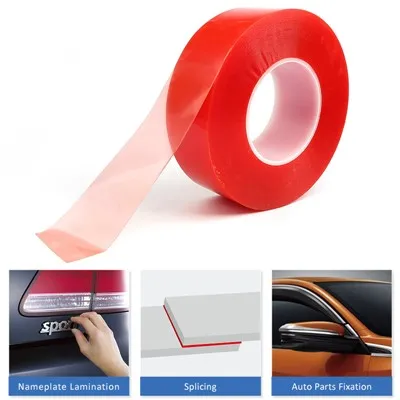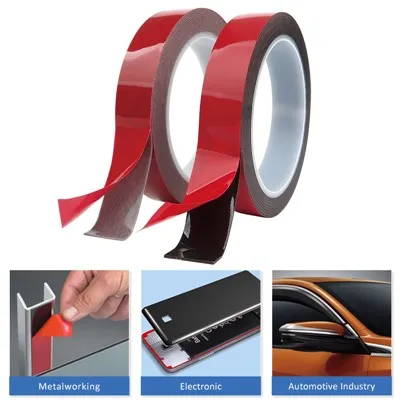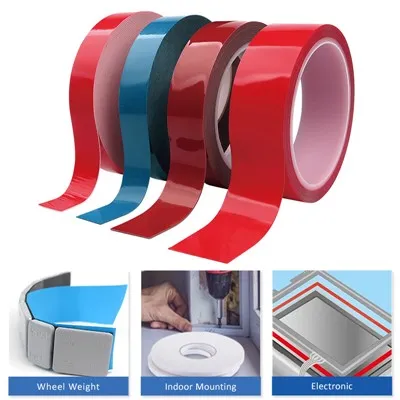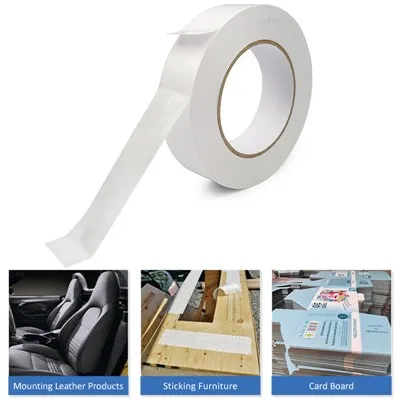
Finding a material that can tolerate high temperatures, has superior electrical insulation, and is reasonably priced is essential in contemporary industrial manufacturing. Because of its distinct physical and chemical characteristics, polyester tape, also known as PET tape, has emerged as a flexible solution in the electronics, automotive, and coating industries.
A high-performance pressure-sensitive adhesive (often silicone or acrylic-based) is applied to one side of a polyethylene terephthalate (PET) sheet base to create polyester tape, an industrial tape.
Essential Physical Features:
Temperature Resistance:
Generally functions steadily between -40°C and +180°C, while some customized items can tolerate even higher temperatures for brief periods of time.
Insulation Performance:
This material is perfect for electrical protection due to its exceptionally high dielectric strength.
Chemical Resistance:
Shows strong resistance to a variety of industrial chemicals, acids, alkalis, and solvents.
High Mechanical Strength:
Its stability throughout automated application procedures is guaranteed by its exceptionally high tensile strength and tear resistance.
Core Industrial Applications of Polyester Tape
Polyester tape is extensively utilized in the following four key areas because of its superior overall performance:
Electronic and Electrical Insulation:
PET tape is utilized for coil winding, outer wrapping, and interlayer insulation in the production of transformers, motors, and capacitors. Its incredibly thin thickness offers dependable short-circuit protection while helping to reduce component size.
Common uses include protecting PCB circuit boards and insulating lithium battery packs.
High-Temperature Spray Painting and Powder Coating Protection:
Certain parts of industrial coating processes, like electrical contacts and threaded holes, need to be shielded from paint.
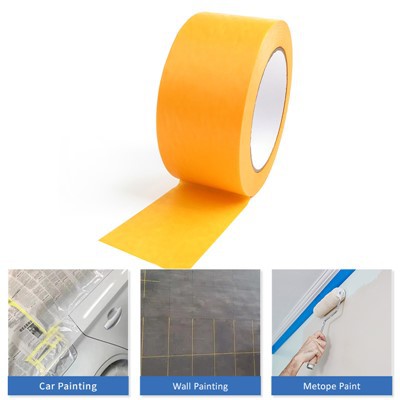
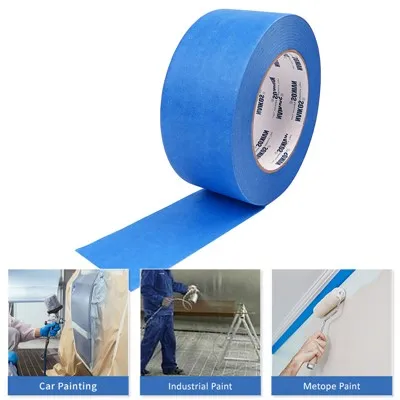
Benefits: The best option for these uses is green or blue polyester silicone tape. It produces clean edges since it can tolerate high temperatures in ovens and leaves no residue when removed.
Composite Material Bonding and Splicing:
In the paper, film production, and silicone release material processing industries, polyester tape is often used for "flying splices."
Benefits: One of the very few materials that can stick firmly to silicone-coated surfaces is silicone-based PET tape.
Automotive Industry:
Used for precise masking during the electrophoretic coating process, wire harness bundling, and fastening interior anti-vibration pads.
Selection Guide: Silicone vs. Acrylic
| Characteristic | Polyester Silicone Tape (PET Silicone) | Polyester Acrylic Tape (PET Acrylic) |
| Temperature Resistance | Limit Higher (180°C - 200°C) | Lower (130°C - 150°C) |
| Chemical Resistance | Excellent, resistant to electrolytes | Good |
| Residue Performance | Virtually no residue after high-temperature removal | Risk of residue after long-term application |
| Cost | Higher | Extremely cost-effective |
| Main Applications | Powder coating, battery protection, silicone release liner splicing | General insulation, permanent fixing, label protection |
How to ensure optimal performance?
When using polyester tape, as a competent supplier, we advise adhering to these rules:
Surface Cleaning:
Make sure there is no dust, moisture, or grease on the surface that will be bonded. To achieve maximal adhesion, this is crucial.
Pressure Activation:
Most PET tapes are responsive to pressure. Wetting can be greatly enhanced by applying the proper pressure (either manually or with a roller).
Environmental Matching:
To ensure model compatibility, speak with a technical professional if your process involves strong acids or extremely high temperatures (over 200°C).
In contemporary industrial precision processes, polyester tape is more than simply a thin film; it is an essential protective layer. Businesses can maximize production costs and enhance product quality by comprehending the chemical characteristics of their base material and adhesive.