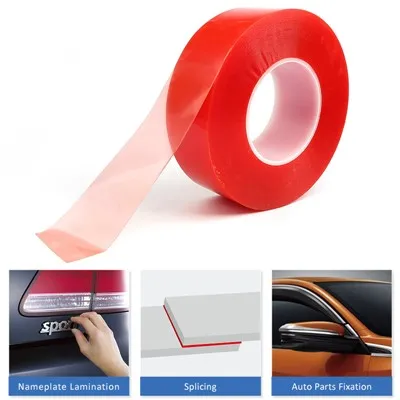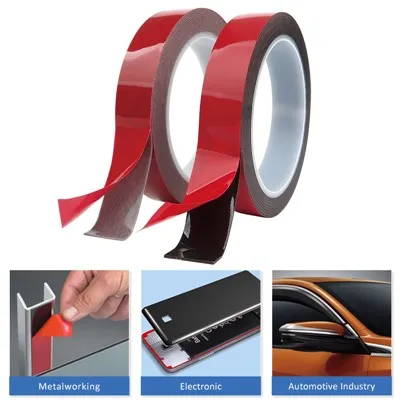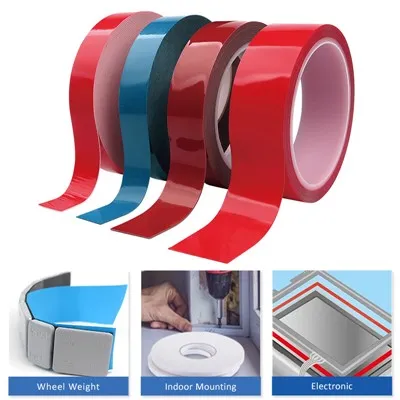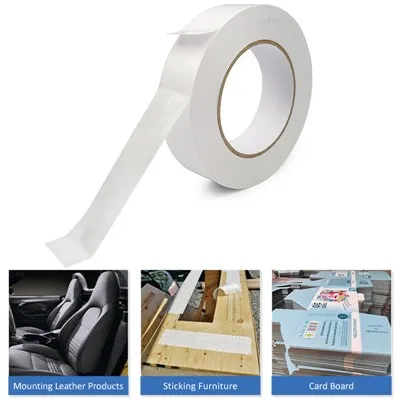
PE foam tape, short for polyethylene foam tape, is a functional tape made from polyethylene (PE) foam as a backing material. After undergoing a specialized process, it's coated on one or both sides with a high-performance pressure-sensitive adhesive (such as acrylic or rubber adhesive), and then laminated with a release paper or film. Its core advantage lies in combining the cushioning elasticity of PE foam with the strong adhesion of pressure-sensitive adhesive, enabling reliable bonding across diverse surfaces while surviving complex environments like vibration and temperature fluctuations.
PE Foam Tape Core Characteristics:
PE foam tape's widespread application across multiple fields stems from its four key characteristics, which are key considerations for companies when selecting it.
Excellent Cushioning and Shock Absorption
The closed-cell or open-cell structure of the PE foam backing effectively absorbs impact, minimizing damage to products caused by vibration. Strong Adhesion and Adaptability
The high-performance pressure-sensitive adhesive layer adheres tightly to a variety of surfaces, including metal, plastic, glass, and wood, without the need for additional tools (such as screws or rivets). This simplifies installation and avoids damage to the substrate (e.g., cracking caused by drilling).
Excellent Weather Resistance and Stability
Acrylic-type PE foam tape, in particular, resists external factors such as UV rays, high and low temperatures, and humidity fluctuations. It is less susceptible to debonding, aging, and cracking over long-term use.
Sealing and Sound Insulation
The closed-cell structure of PE foam effectively blocks air, moisture, and dust from entering gaps, while also absorbing sound waves for sound insulation and noise reduction.
PE Foam Tape Applications
From industrial production to everyday life, the application of PE foam tape continues to expand. The following are typical applications in core industries to help users intuitively understand the product's value. Electronics and Electrical Industry
Internal Fixing: Used for bonding screens and casings of mobile phones and tablets, securing batteries, and cushioning vibrations while preventing component displacement.
Sealing and Protection: Adhere to gaps in router and set-top box casings to prevent dust from entering and affecting heat dissipation.
Electromagnetic Shielding: Conductive PE foam tape is used on computer motherboards and printer interiors to reduce electromagnetic interference and ensure stable equipment operation.
Construction and Decoration Industry
Door and Window Sealing: Medium-density PE foam tape is used to fill gaps in aluminum alloy windows and plastic-steel doors, improving sound insulation, thermal insulation, and waterproofing.
Decoration Installation: Replaces traditional nails for fixing skirting and plasterwork, preventing wall damage and leaving no visible signs after installation.
Curtain Wall Engineering: High-temperature and weather-resistant PE foam tape is used to bond glass curtain walls to metal frames, withstanding wind pressure and adapting to temperature fluctuations.
Automotive Industry
Exterior Bonding: Attaching bumpers and door handles to the car body requires weather-resistant PE foam tape to prevent debonding after exposure to high temperatures.
Interior Cushioning: PE foam tape is applied under seats and around the instrument panel to reduce vibration and noise during driving.
Wire Harness Fixing: Attached to the surface of the vehicle wiring harness, it prevents friction and wear between the harness and metal components while also providing insulation.
PE Foam Tape Industry Trends: Environmental friendliness, functionalization, and customization are becoming mainstream.
With the upgrading of downstream industries (such as electronics, automotive, and construction), the PE foam tape industry is also showing three major development trends. Companies and buyers should pay attention to these trends and stay abreast of market trends.
Environmental Upgrade
Stricter global environmental policies (such as the newly added restricted substances in the EU REACH regulation) are driving PE foam tapes toward solvent-free adhesives and biodegradable substrates. For example, some manufacturers have launched bio-based PE foam tapes with substrates that degrade in the natural environment, reducing environmental pollution. Functional Innovation
Increasing market demand for specialized functions is driving the development of products with multi-functional integration. For example, a three-in-one PE foam tape with "waterproof + conductive + high-temperature resistance" meets the sealing and shielding requirements of new energy vehicle battery packs; an "antibacterial + cushioning" PE foam tape is suitable for medical device packaging and home furnishings.
Customized Services
Downstream industries are experiencing increasing demand for customized services. For example, new energy vehicle manufacturers require customized PE foam tapes with specific thicknesses and widths, while electronics companies require custom-shaped tapes that match the curvature of their products. Therefore, manufacturers with customized production capabilities (such as rapid prototyping and flexible production) have a greater competitive advantage.