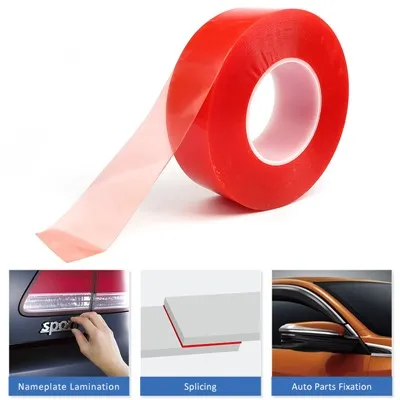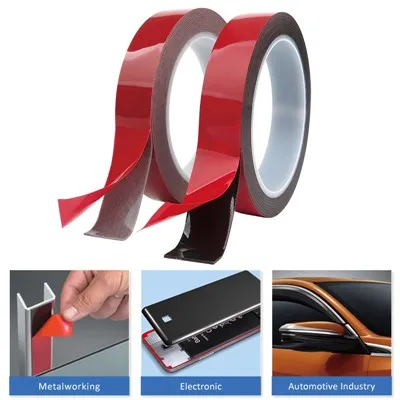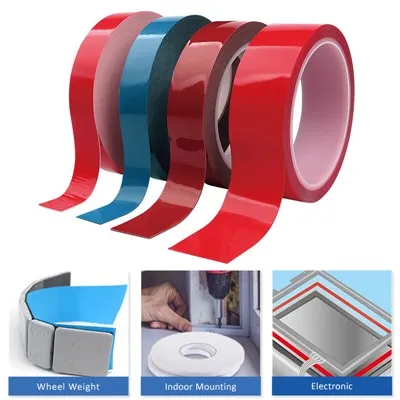
In the fields of electronics, building decoration, and industrial manufacturing, there is a growing need for advanced and high-performing bonding solutions. Due to its unique characteristics, crylic foam tape, one of the various adhesive materials, is gradually replacing liquid adhesives and conventional mechanical fasteners, making it a very dependable and effective bonding technique.
Double-sided tape with a high-performance acrylic pressure-sensitive adhesive applied to both sides of a closed-cell foam (such as polyurethane, acrylic, or polyethylene foam) is sometimes referred to as VHB (Very High Bonding) tape or acrylic foam tape.
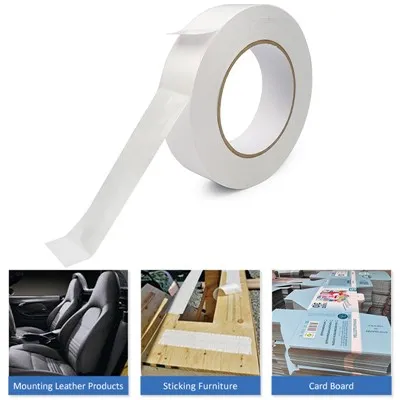
It is significantly different from the typical double-sided tapes we use every day, such as those made of PET or paper.
Its main characteristics are:
Base Material: A foam layer that withstands stress and shock. Adhesive: A high-performance acrylic adhesive solution with exceptionally strong initial tack and bonding strength.
Exceptional Features and Benefits of Acrylic Foam Tape: Why is acrylic foam tape so popular? mostly because of its outstanding overall performance:
Very Robust Adhesive Strength and Durability: Acrylic foamy audio creates long-lasting connections with potent peel and shearing strength, even taking the place of riveting, screw fastening, or welding.
Superior Stress Dispersion and Shock Absorption: Acrylic adhesives have exceptional weather resistance, withstanding UV rays, ozone, moisture, high temperatures (usually withstanding long-term temperatures from 90°C to 150°C), aging, and brittleness. In order to prevent damage to the connected components, the foam material functions as a soft pillow, quickly absorbing and distributing tension brought on by thermal expansion and contraction, motion, or influence. It works especially well for joining disparate components( like glass and metal).
Agility to Irregular Surfaces and Gap Filling: The foam's width and compressibility enable it to improve the bonding region for a stronger relationship by filling in small abnormalities or spaces between interaction surfaces.
Quick First Tack and Simple Application: Acrylic foam tape offers strong initial adhesion with only a mild push, allowing for quick workpiece positioning and greatly increasing production efficiency. The procedure is clean and pollution-free because it doesn't require mixing, distributing, or curing.
Principal Uses of Acrylic Foam Tape: Acrylic foam tape is utilized practically everywhere.
Automotive Industry: Replacing conventional clips and screws with bonding trim strips, car badges, door frames, rain guards, pedals, etc., for a smooth, attractive finish and less noise.
Building Curtain Walls: A fundamental adhesive for frameless curtain wall systems; bonding metal panels, stone, composite aluminum panels, and other external wall materials.
Installing mirrors, hooks, ornamental paintings, and fastening refrigerator and air conditioner panels are examples of home appliances and furniture.
Aerospace and rail transportation: These industries need very high levels of durability and safety when bonding interior panels and insulating materials.
How Should Acrylic Foam Tape Be Chosen and Used? The secret to a successful bond is selecting the appropriate acrylic foam tape:
Surface Preparation: Make sure the bonding surface is oil-free, dry, and clean. Use alcohol or a specialty cleaner to clean the surface.
Apply Enough Pressure: To guarantee complete contact between the tape and the surface, use a roller or apply uniform pressure (usually 0.5–1.0 MPa).
"Curing Time": Following bonding, the acrylic foam tape's strength will progressively grow over time, usually peaking between 24 and 72 hours later. During this time, try not to apply too much load.
Selecting the Right Grade and Thickness:
Uneven/Rough Surfaces: For improved gap filling, use foam tape that is thicker and more flexible.
Select a high-strength VHB grade tape for high-stress applications.
Verify the tape's temperature range and weather resistance rating in outdoor or high-temperature settings.
Acrylic foam tape is a precision engineering material, not just tape. It is revolutionizing the way contemporary industry assembles because to its robust adhesion, exceptional durability, and broad range of application adaptability.