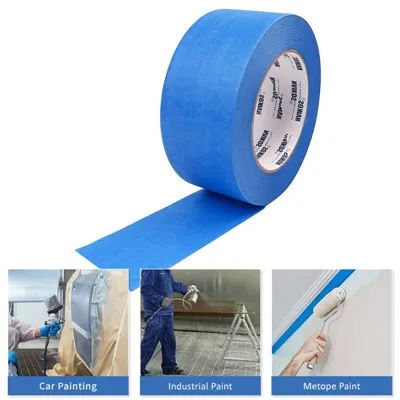
Masking tape, once a humble utility item primarily used in painting and DIY projects, has evolved into a vibrant and creative industry of its own. From crafting and art to industrial applications, masking tape has found its way into various sectors, offering a spectrum of colors, patterns, and functionalities. This article delves into the colorful world of masking tape, exploring its history, manufacturing process, applications across different industries, and emerging trends.
The history of masking tape dates back to the early 20th century when painters and automotive workers sought a solution to protect surfaces during painting. This innovation revolutionized the painting process, enabling precise masking and clean paint lines.
Modern masking tape is manufactured through a meticulous process involving several steps. The base material, typically crepe paper or plastic film, undergoes coating with adhesive formulations tailored to specific applications. Manufacturers invest in precision equipment to ensure uniform coating and adhesive properties. Color pigments and designs are added during the manufacturing process, offering a wide range of choices for consumers.
Applications Across Industries:
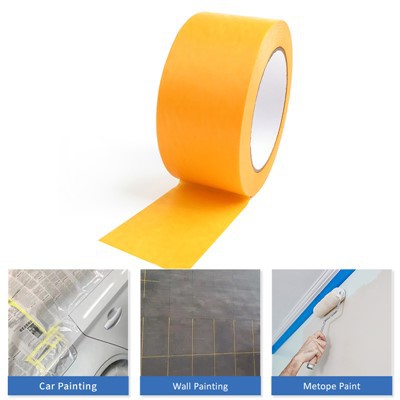
Automotive: Masking tape plays a crucial role in automotive painting and detailing, facilitating precise masking of areas not intended for paint. High-temperature-resistant tapes are used in automotive painting booths to withstand the curing process.
Painting and Decorating: In the DIY and professional painting sectors, masking tape is indispensable for achieving crisp paint lines and protecting adjacent surfaces. Painters rely on a variety of widths and adhesive strengths to suit different applications.
Crafting and Art: The versatility of masking tape has sparked creativity in the crafting and art communities. Artists use masking tape for techniques such as tape art, collage, and mixed media, leveraging its adhesive properties and vibrant colors to create intricate designs.
Stationery and Packaging: Decorative masking tapes, often referred to as "washi tape," have gained popularity in stationery and packaging. With an array of designs ranging from floral patterns to geometric shapes, washi tape adds a decorative touch to journals, scrapbooks, and gift wrapping.
Electrical and Electronics: Specialized masking tapes with electrical insulation properties are utilized in the electrical and electronics industry for wire harnessing, insulation, and component protection. These tapes ensure reliable performance and durability in demanding environments.
Sustainability: With increasing environmental awareness, there is a growing demand for eco-friendly masking tape options. Manufacturers are exploring biodegradable materials and water-based adhesives to reduce environmental impact.
Customization: Personalization and customization are driving trends in the masking tape industry. Consumers seek bespoke designs and colors to reflect their individuality, prompting manufacturers to offer customization services and limited edition releases.
Masking tape has transcended its utilitarian origins to become a colorful and versatile product with applications across diverse industries. From automotive painting to art and crafting, masking tape continues to inspire creativity and innovation. As the industry evolves, manufacturers are embracing sustainability and customization to meet the evolving needs of consumers. With its adhesive charm and endless possibilities, masking tape remains an indispensable tool in the modern world.