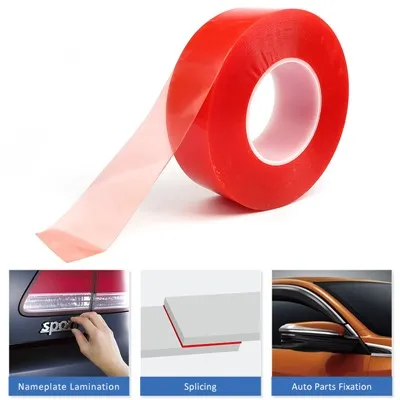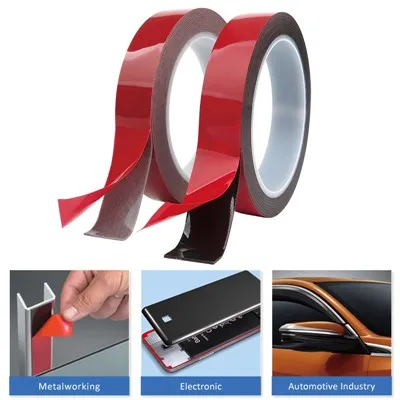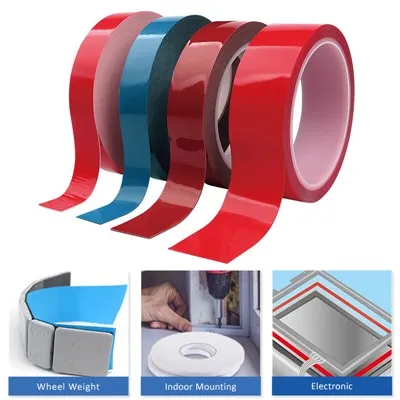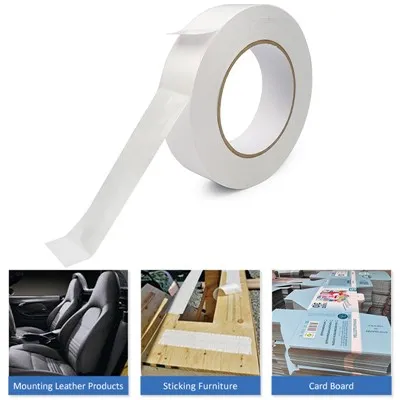
Polyethylene foam tape is a tape-like adhesive material made from a closed-cell polyethylene (PE) foam backing, coated on one or both sides with a high-performance acrylic adhesive and protected with a release paper or film. Its core lies in the central PE foam layer, which imparts the tape's exceptional physical properties.
Outstanding Features of Polyethylene Foam Tape
Excellent Cushioning and Shock Absorption:
The elasticity of PE foam effectively absorbs impact energy, protecting products from vibration and impact during transportation and use.
Excellent Sealing:
The closed-cell structure creates a reliable barrier against moisture, water, and dust, making it commonly used for sealing gaps in doors and windows and at panel joints. Strong Bonding and Holding Strength: Combined with high-performance pressure-sensitive adhesive, it firmly bonds a variety of materials, achieving long-term, reliable bonding. It is an economical alternative to more expensive products like VHB tape.
Excellent Filling and Gap Compensation:
Its compressibility allows it to fill uneven surfaces or small gaps, ensuring uniform force distribution and sealing.
Excellent Weather Resistance and Durability:
Resistant to high and low temperatures (a wide range, such as -20°C to +120°C or higher, depending on the specific model), UV aging, and moisture, it is suitable for a variety of indoor and outdoor environments.
Electrical Insulation, Thermal and Sound Insulation:
PE material itself is an excellent insulator, and its foam structure also provides some thermal and sound insulation.
Easy Processing and Use:
It can be easily die-cut and stamped into various shapes, and can be operated manually or with automated equipment with ease.
Main Applications of Polyethylene Foam Tape
Polyethylene foam tape has a wide range of applications, penetrating nearly every industry and daily life:
Packaging and Logistics:
Product edge protection, cushioning, box sealing reinforcement, and pallet securing. Construction and Building Materials: Door and window installation and sealing, curtain wall caulking, decorative strip fixing, sun panel connection, and pipe sealing.
Automotive Manufacturing and Aftermarket:
Interior component fixing, wiring harness fixing and protection, door seal auxiliary fixing, logo application, and NVH control.
Electronic Appliances:
LCD screen frame fixing, internal component cushioning and vibration reduction, housing sealing, label substrate, and carrier for thermal interface materials.
Advertising Signs and Displays:
Display board installation, POP display stand assembly, and signboard fixing (especially for outdoor applications requiring high weather resistance).
Home & DIY:
Hook attachment, anti-collision strip installation, gap sealing, and handicraft production.
Comparison with Similar Products
vs. EVA Foam Tape:
PE foam is generally softer, has better resilience, and is more chemically resistant (especially to solvents). EVA may be harder and slightly less expensive
vs. Polyurethane (PU) Foam Tape:
PU foam is generally softer, exhibits greater compression deformation, and rebounds more slowly, potentially improving sound absorption. However, its temperature and aging resistance are generally inferior to those of PE foam tape. PU foam is also generally more expensive.
vs. Backingless Double-Sided Tape (such as PET Film):
PE foam tape offers thickness and cushioning that backingless tape lacks. It is better suited for applications requiring padding, shock absorption, or sealing.